
The Essential Guide to Choosing the Right Composite Hose for Your Needs
Release time:
2024-09-20
Author:
Source:
Abstract
The Essential Guide to Choosing the Right Composite Hose for Your Needs
Table of Contents
1. Understanding Composite Hoses
2. Key Features of Composite Hoses
3. Applications of Composite Hoses
4. Types of Composite Hoses
4.1. Standard Composite Hoses
4.2. Chemical Composite Hoses
4.3. Food-Grade Composite Hoses
5. Factors to Consider When Choosing a Composite Hose
5.1. Material Compatibility
5.2.
The Essential Guide to Choosing the Right Composite Hose for Your Needs
Table of Contents
1. Understanding Composite Hoses
2. Key Features of Composite Hoses
3. Applications of Composite Hoses
4. Types of Composite Hoses
4.1. Standard Composite Hoses
4.2. Chemical Composite Hoses
4.3. Food-Grade Composite Hoses
5. Factors to Consider When Choosing a Composite Hose
5.1. Material Compatibility
5.2. Temperature and Pressure Ratings
5.3. Bend Radius and Flexibility
6. Maintenance and Care for Composite Hoses
7. Frequently Asked Questions (FAQs)
8. Conclusion
1. Understanding Composite Hoses
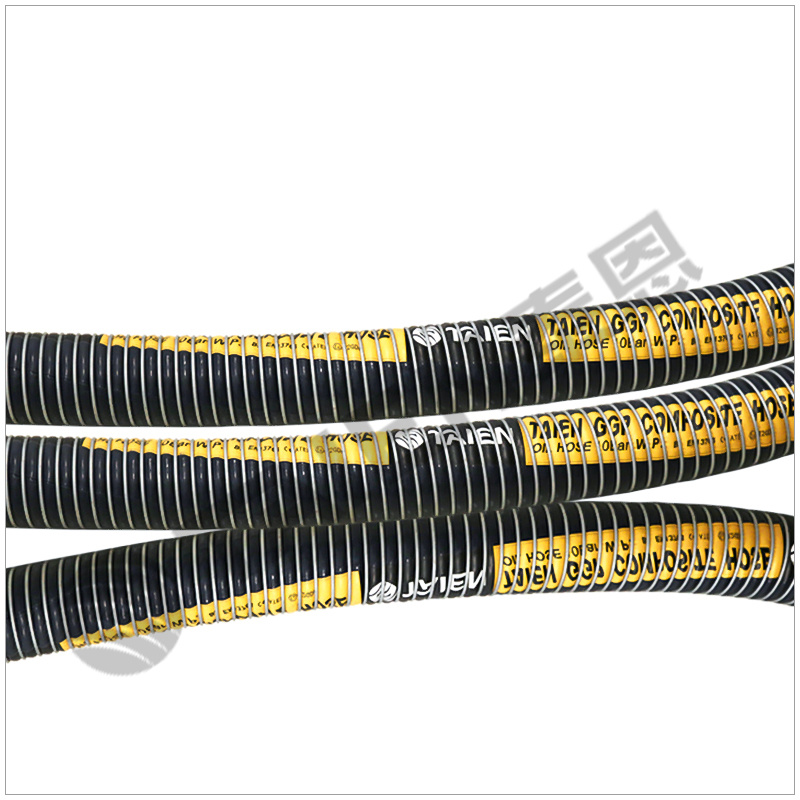
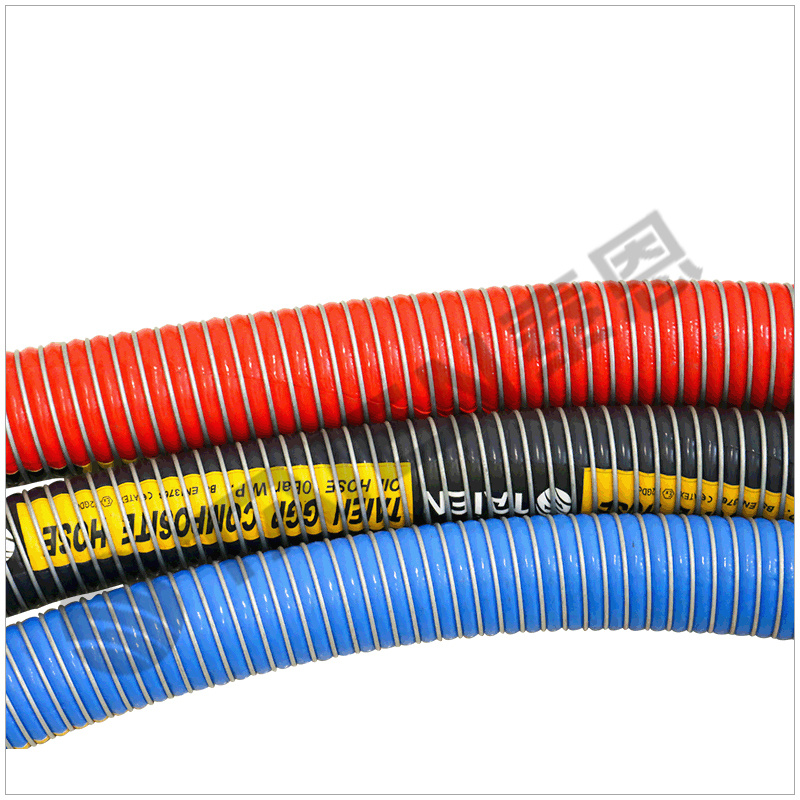
Composite hoses are specialized hoses designed to transport various substances, including chemicals, fuel, and food products. Made from multiple layers of materials, these hoses combine flexibility, strength, and resistance to harsh environmental conditions. Their unique structure typically includes an inner core layer, a reinforcement layer, and an outer layer that protects against abrasions and UV damage.
Composite hoses are essential for industries like oil and gas, chemical processing, and food and beverage, where the safe and efficient transfer of materials is crucial.
2. Key Features of Composite Hoses
When selecting a composite hose, several key features stand out:
- **Flexibility:** Composite hoses are highly flexible, allowing for easier handling and installation in tight spaces.
- **Lightweight Design:** Compared to traditional metal hoses, composite hoses are significantly lighter, reducing fatigue during use.
- **Chemical Resistance:** Many composite hoses are engineered to withstand a wide range of chemicals, making them suitable for various applications.
- **Temperature Tolerance:** Composite hoses can handle extreme temperatures, making them ideal for hot or cold substances.
- **Abrasion Resistance:** The outer layer of composite hoses is designed to resist wear and tear, extending the hose's lifespan.
3. Applications of Composite Hoses
Composite hoses are used across various sectors, including:
- **Petroleum Industry:** For transferring fuels, oils, and lubricants.
- **Chemical Manufacturing:** To transport corrosive substances safely.
- **Food and Beverage:** Food-grade composite hoses are designed to meet stringent hygiene standards for the safe transport of consumables.
- **Marine Applications:** Used for pumping fuel and other substances onboard ships.
4. Types of Composite Hoses
Understanding the different types of composite hoses allows users to make informed choices based on their specific needs.
4.1. Standard Composite Hoses
These hoses are versatile and suitable for general purposes, including water and air transfer. They offer a balance of flexibility and durability.
4.2. Chemical Composite Hoses
Designed specifically for chemical transport, these hoses are constructed from materials that resist corrosion and chemical breakdown, making them ideal for harsh environments.
4.3. Food-Grade Composite Hoses
These hoses comply with food safety regulations, ensuring that no harmful substances leach into the food or beverages they carry. They are made from non-toxic materials and are suitable for various food transport applications.
5. Factors to Consider When Choosing a Composite Hose
Selecting the right composite hose involves several critical factors:
5.1. Material Compatibility
Ensure that the hose material is compatible with the substance being transported. For example, certain chemicals can degrade specific materials, leading to leaks or hose failure.
5.2. Temperature and Pressure Ratings
Check the temperature and pressure ratings of the hose to ensure it can handle the conditions of your application. Operating outside these limits can compromise the hose's integrity.
5.3. Bend Radius and Flexibility
Evaluate the bend radius of the hose to ensure it can navigate the intended installation space without kinking, which can lead to failure over time.
6. Maintenance and Care for Composite Hoses
Proper maintenance is vital for the longevity of composite hoses. Here are some tips:
- **Regular Inspections:** Check hoses for signs of wear, such as cracks or bulges.
- **Cleaning:** Clean the hoses regularly to remove any residual substances that may cause deterioration.
- **Storage:** Store hoses in a cool, dry place away from direct sunlight to prevent UV damage.
- **Proper Handling:** Avoid sharp bends and ensure hoses are not dragged over rough surfaces.
7. Frequently Asked Questions (FAQs)
What is the lifespan of a composite hose?
The lifespan can vary based on usage and maintenance but typically ranges from 3 to 5 years.
Can composite hoses be repaired?
Yes, minor damages can often be repaired, but it is essential to consult with a professional for significant issues.
Are composite hoses suitable for high-pressure applications?
Many composite hoses are designed for high-pressure applications, but it’s crucial to check the specific ratings.
How can I determine the right diameter for my composite hose?
The diameter should match the flow requirements of your application. Consult with a supplier for guidance based on your needs.
What should I do if my composite hose fails?
Immediately stop using the hose and inspect it for damage. Replace the hose if it cannot be repaired.
8. Conclusion
Choosing the right composite hose is crucial for ensuring safe and efficient operations across various industries. By understanding the types of composite hoses, evaluating their features, and considering essential factors like material compatibility and temperature ratings, you can make an informed decision that meets your needs. Regular maintenance and proper care will further extend the lifespan of your hose, ensuring it performs reliably throughout its use. Ultimately, a well-chosen composite hose not only enhances operational efficiency but also safeguards both personnel and the environment from potential hazards.
Recommended Reading



Guangdong Taien Fluid Control Equipment Co., Ltd. is a professional manufacturer and supplier of fluid transmission equipment, focusing on various types of gas stations, chemical plants, oil refineries for more than 20 years It is a state-level high-tech enterprise that provides high-quality complete sets of equipment and surrounding safety and environmental protection facilities.


Product Series
Contact us
+86-020-34008936
Unit 3314, No 1020 Xingangdong Road, Haizhu, Guangzhou China.

Mobile Website
