
How to Properly Maintain Your Discharge Hose for Longevity
Release time:
2024-09-24
Author:
Source:
Abstract
How to Properly Maintain Your Discharge Hose for Longevity
Table of Contents
Introduction
Understanding Discharge Hoses
Types of Discharge Hoses
Applications of Discharge Hoses
Importance of Maintenance
Routine Maintenance Tips
Cleaning Your Discharge Hose
Inspecting for Damage
How to Properly Maintain Your Discharge Hose for Longevity
Table of Contents
- Introduction
- Understanding Discharge Hoses
- Importance of Maintenance
- Routine Maintenance Tips
- Common Issues and Solutions
- Professional Maintenance Services
- Frequently Asked Questions
- Conclusion
Introduction
In the world of industrial applications, the discharge hose plays a crucial role in the transfer of fluids, whether it be water, chemicals, or slurries. Due to its extensive use, proper maintenance of your discharge hose is essential for ensuring its longevity and efficiency. This guide aims to provide valuable insights and practical tips for maintaining your discharge hose, allowing it to serve you effectively for many years.
Understanding Discharge Hoses
Before delving into maintenance practices, it is vital to understand what discharge hoses are, their types, and their applications.
Types of Discharge Hoses
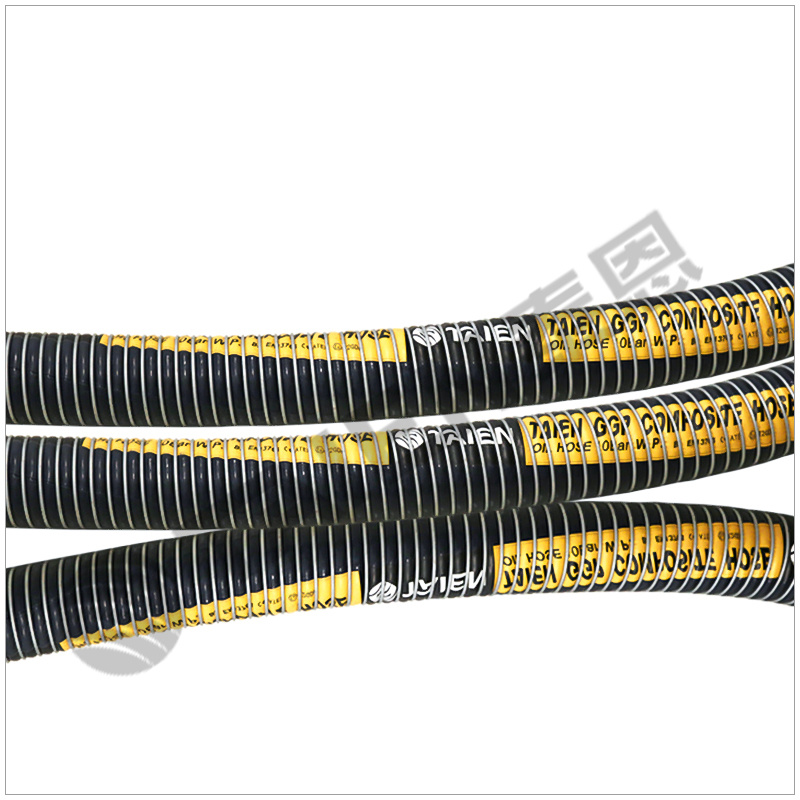
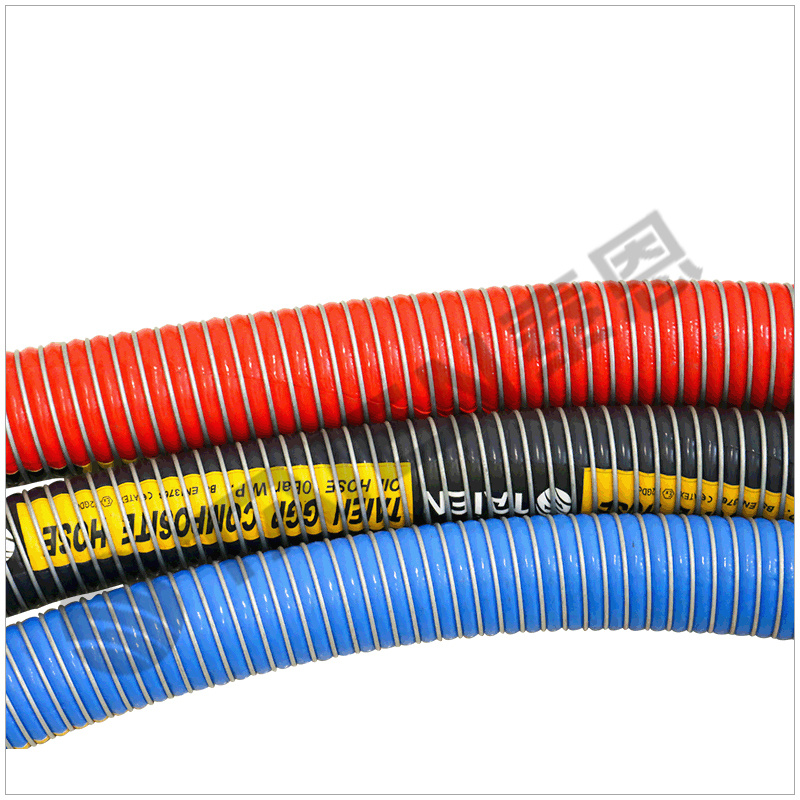
Discharge hoses come in various materials and designs, each tailored for specific applications. Common types include:
- **PVC Discharge Hoses**: Lightweight and flexible, ideal for water transfer.
- **Rubber Discharge Hoses**: Durable and resistant to abrasion, suitable for heavy-duty applications.
- **Polyurethane Hoses**: Known for their chemical resistance, used in transferring corrosive substances.
- **Steel Wire Reinforced Hoses**: Designed for high-pressure applications, providing exceptional strength.
Applications of Discharge Hoses
Discharge hoses are widely used across various industries, including:
- **Agriculture**: For irrigation and drainage purposes.
- **Construction**: To handle wet concrete and other materials.
- **Chemical Manufacturing**: For the transfer of hazardous fluids.
- **Mining**: To manage slurry and wastewater.
Understanding the types and applications of discharge hoses helps in tailoring maintenance practices according to specific requirements.
Importance of Maintenance
Regular maintenance of discharge hoses is paramount for several reasons:
- **Prevention of Leaks**: Well-maintained hoses are less prone to leaks, which can lead to costly downtime and environmental hazards.
- **Extended Lifespan**: Proper care can significantly extend the working life of your hoses.
- **Safety Assurance**: Maintaining hoses reduces the risk of accidents, ensuring a safe working environment.
- **Cost Efficiency**: Regular maintenance can prevent costly repairs and replacements, ultimately saving you money.
Routine Maintenance Tips
To ensure the longevity of your discharge hose, we recommend following these routine maintenance tips:
Cleaning Your Discharge Hose
Cleaning your discharge hose after each use is essential to prevent residue buildup and contamination. Follow these steps for effective cleaning:
1. **Flush the Hose**: Rinse the hose thoroughly with clean water to remove any residual material.
2. **Use a Mild Detergent**: If the hose has stubborn stains or residues, use a mild detergent diluted in water.
3. **Avoid Abrasive Cleaners**: Never use abrasive cleaners, as they can damage the hose material.
4. **Dry Completely**: Ensure the hose is completely dry before storing it to prevent mold and mildew growth.
Inspecting for Damage
Regular inspections can help identify potential issues before they become serious problems. Here’s what to check during inspections:
- **Visual Inspection**: Look for signs of wear, tears, or abrasions on the outer layer of the hose.
- **Check Connections**: Ensure all fittings and connections are secure and not corroded.
- **Flexibility Test**: Gently bend the hose; it should be flexible. If it feels stiff or has kinks, it may need replacement.
- **Pressure Testing**: Conduct pressure tests to ensure the hose can handle the required pressure without leaking.
Proper Storage of Hoses
How you store your discharge hose can drastically affect its lifespan. Here are some storage tips:
- **Avoid Direct Sunlight**: Store hoses away from direct sunlight, as UV rays can degrade the material.
- **Store in a Cool, Dry Place**: Ensure the storage area is dry and cool to prevent mold and decay.
- **Use Hose Reels**: If possible, use hose reels or hangers to avoid kinks and twists in the hose.
- **Avoid Heavy Loads**: Do not stack heavy objects on top of stored hoses, as this can cause damage.
Common Issues and Solutions
Even with the best maintenance practices, issues can still arise. Here are some common problems and their solutions:
- **Leaking Hose**: If you notice leaks, inspect the fittings first. If the hose itself is damaged, it may need to be replaced.
- **Kinking**: Kinks can restrict flow and cause damage. Always store hoses in a way that prevents bending.
- **Buildup of Residues**: Regular cleaning is crucial. For stubborn residues, use a specialized cleaning solution.
- **Fading or Cracking**: If hoses are exposed to sunlight, consider using protective covers to minimize UV exposure.
Professional Maintenance Services
Sometimes, professional help is necessary, especially for high-pressure or specialized hoses. Consider the following:
- **Regular Professional Inspections**: Schedule inspections with a certified professional to catch issues early.
- **Reconditioning Services**: Many companies offer reconditioning services that can extend the life of your hoses.
- **Replacement Services**: If your hose is beyond repair, professionals can assist with fast and effective replacements.
Frequently Asked Questions
1. How often should I clean my discharge hose?
We recommend cleaning your discharge hose after each use to prevent residue buildup and contamination.
2. What are the signs that my discharge hose needs to be replaced?
Signs include visible cracks, extreme stiffness, and frequent leaks. If you notice any of these issues, it's time to replace the hose.
3. Can I use any type of detergent to clean my hose?
No, only use mild detergents that are safe for the hose material. Avoid abrasive cleaners to prevent damage.
4. Is professional maintenance necessary for all types of hoses?
While not always necessary, professional maintenance is recommended for high-pressure or specialized hoses to ensure they operate safely and efficiently.
5. How do I store my discharge hose during winter?
Make sure the hose is clean and dry, then store it in a cool, dry place away from direct sunlight and extreme temperatures.
Conclusion
Maintaining your discharge hose is essential for ensuring its longevity and optimal performance. By following the tips outlined in this guide, you can prevent common issues, extend the life of your hose, and ensure safe operations in your industrial applications. Regular cleaning, inspections, and proper storage habits will go a long way in preserving your discharge hose investment. Always remember that a little proactive maintenance now can save you significant time and money in the future.
Recommended Reading



Guangdong Taien Fluid Control Equipment Co., Ltd. is a professional manufacturer and supplier of fluid transmission equipment, focusing on various types of gas stations, chemical plants, oil refineries for more than 20 years It is a state-level high-tech enterprise that provides high-quality complete sets of equipment and surrounding safety and environmental protection facilities.


Product Series
Contact us
+86-020-34008936
Unit 3314, No 1020 Xingangdong Road, Haizhu, Guangzhou China.

Mobile Website
