
The Role of Oil Hoses in Efficient Pneumatic Systems: Enhancing Performance and Reliability
Release time:
2024-10-12
Author:
Source:
Abstract
The Role of Oil Hoses in Efficient Pneumatic Systems
Pneumatic systems are integral to various industries, driving efficiency and productivity through the use of compressed air. Among the many components that contribute to their functionality, **oil hoses** stand out as essential parts that ensure optimal performance. In this article, we delve into the significant role oil hoses play in pneumatic
The Role of Oil Hoses in Efficient Pneumatic Systems
Pneumatic systems are integral to various industries, driving efficiency and productivity through the use of compressed air. Among the many components that contribute to their functionality, **oil hoses** stand out as essential parts that ensure optimal performance. In this article, we delve into the significant role oil hoses play in pneumatic systems, exploring their functionality, types, maintenance practices, and how they enhance overall system efficiency.
Table of Contents
1. Understanding Pneumatic Systems
2. The Importance of Oil Hoses in Pneumatic Systems
3. Types of Oil Hoses Used in Pneumatic Applications
3.1. Rubber Oil Hoses
3.2. PVC Oil Hoses
3.3. Composite Oil Hoses
4. Key Features of High-Quality Oil Hoses
5. Maintenance Tips for Oil Hoses in Pneumatic Systems
5.1. Regular Inspection and Cleaning
5.2. Proper Installation Techniques
5.3. Identifying Signs of Wear and Tear
6. How Oil Hoses Enhance System Efficiency
7. Common Issues Faced with Oil Hoses and Solutions
8. FAQs About Oil Hoses in Pneumatic Systems
9. Conclusion
1. Understanding Pneumatic Systems
Pneumatic systems utilize compressed air to perform work, making them vital in manufacturing, construction, and various industrial applications. These systems consist of compressors, valves, actuators, and hoses—all working together to achieve desired outcomes efficiently. The reliability of these systems often hinges on the quality and maintenance of their components, particularly the oil hoses that connect different parts.
2. The Importance of Oil Hoses in Pneumatic Systems
Oil hoses serve multiple purposes in pneumatic systems, including lubrication, transferring oil, and protecting other components from wear and tear. Proper lubrication minimizes friction between moving parts, reducing wear and enhancing the system's lifespan. Without adequate lubrication, pneumatic tools can experience performance issues, leading to costly downtime and repairs.
Moreover, oil hoses help maintain consistent pressure and flow, ensuring that every component receives the necessary lubrication. This consistency is key to achieving optimal performance, especially in high-demand environments where pneumatic systems operate under significant stress.
3. Types of Oil Hoses Used in Pneumatic Applications
Choosing the right type of oil hose for your pneumatic system is crucial for ensuring efficiency and longevity. Here, we explore the most common types of oil hoses employed in these applications.
3.1. Rubber Oil Hoses
Rubber oil hoses are known for their flexibility and durability, making them suitable for various pneumatic applications. They can withstand high pressures while maintaining their shape over time. Additionally, rubber hoses provide excellent resistance to abrasion and environmental factors, ensuring they perform well in various conditions.
3.2. PVC Oil Hoses
Polyvinyl Chloride (PVC) oil hoses offer a cost-effective solution for many pneumatic systems. They are lightweight, resistant to chemicals, and provide good flexibility. While they may not be as robust as rubber hoses, their affordability makes them an attractive option for lower-pressure applications.
3.3. Composite Oil Hoses
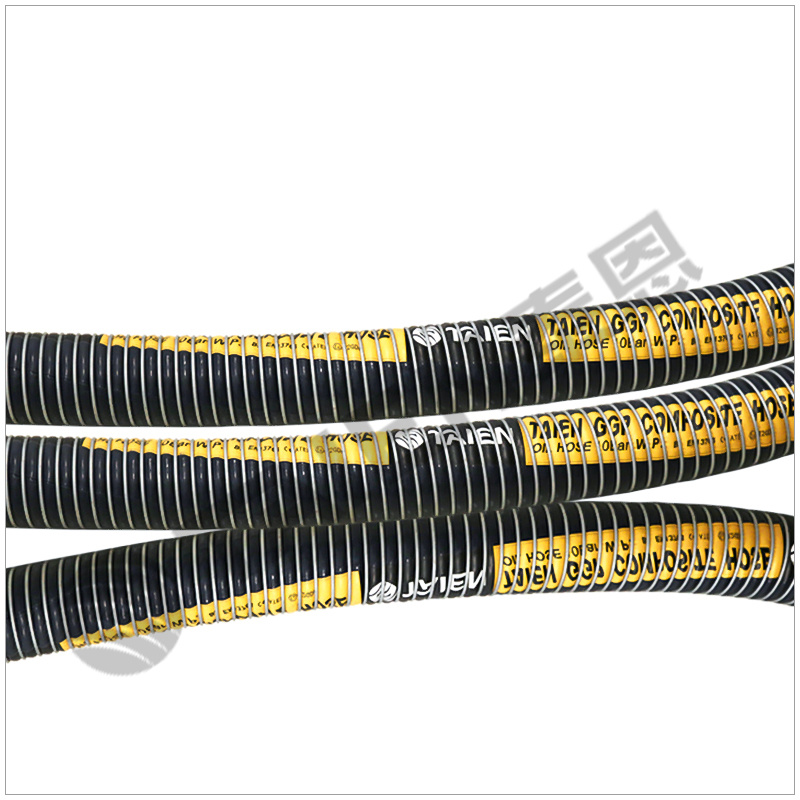
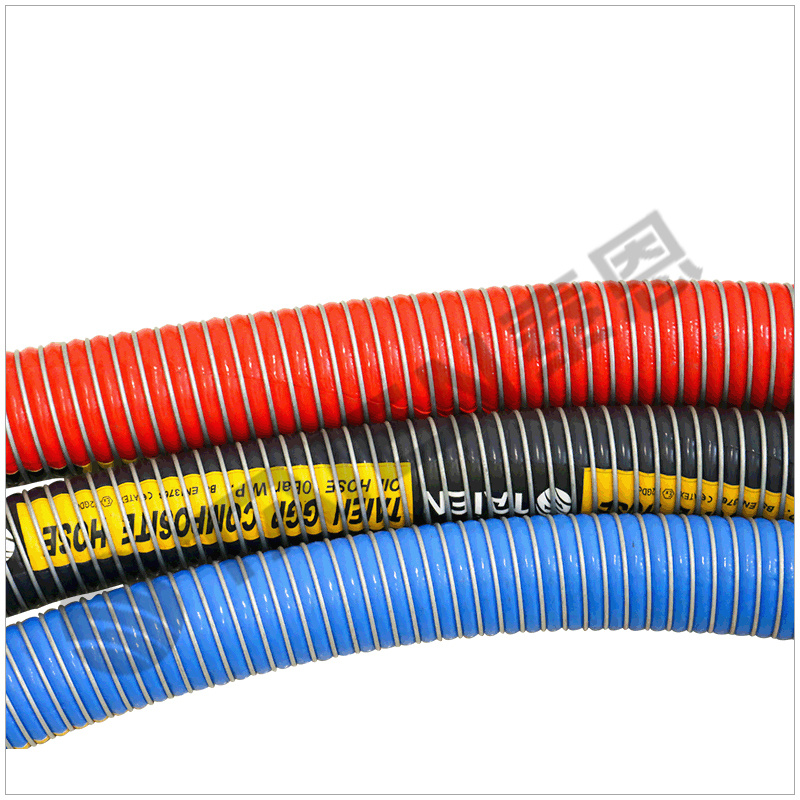
Composite oil hoses combine the benefits of several materials, offering high strength and flexibility. These hoses are ideal for applications requiring resistance to extreme temperatures and pressures. Their design often incorporates layers of different materials to achieve optimal performance and longevity.
4. Key Features of High-Quality Oil Hoses
When selecting oil hoses for pneumatic systems, several features should be considered to ensure optimal performance:
- **Pressure Rating**: High-quality oil hoses should have a pressure rating that matches or exceeds the demands of your pneumatic system.
- **Temperature Resistance**: Hoses must be able to withstand varying temperatures without degrading or losing functionality.
- **Flexibility and Bend Radius**: A flexible hose allows for easier installation and routing within the system, while a proper bend radius prevents kinking and blockages.
- **Chemical Resistance**: Depending on the fluids being transported, hoses should resist degradation from oils and other chemicals.
- **Durability**: Look for hoses that can withstand abrasion, impacts, and environmental factors to minimize replacement frequency.
5. Maintenance Tips for Oil Hoses in Pneumatic Systems
Effective maintenance of oil hoses is crucial for the longevity and efficiency of pneumatic systems. Here are essential tips to keep in mind:
5.1. Regular Inspection and Cleaning
Conduct regular inspections of oil hoses for signs of wear, leaks, or damage. Cleaning hoses periodically helps prevent build-up that can impede flow and cause failures.
5.2. Proper Installation Techniques
Ensure that hoses are installed correctly, avoiding sharp bends and kinks that can restrict flow and lead to premature wear. Using appropriate fittings and connectors is also vital for maintaining a secure connection.
5.3. Identifying Signs of Wear and Tear
Monitor hoses for signs of wear such as cracking, bulging, or discoloration. Early detection of issues allows for timely replacement, preventing further damage to the system.
6. How Oil Hoses Enhance System Efficiency
Oil hoses play a pivotal role in enhancing the overall efficiency of pneumatic systems. Here are some ways they contribute to improved performance:
- **Consistent Lubrication**: Maintaining a steady flow of oil ensures that moving parts are well-lubricated, minimizing friction and wear.
- **Pressure Maintenance**: Properly functioning oil hoses help maintain consistent pressure, essential for the efficient operation of pneumatic tools.
- **Reduced Downtime**: By preventing leaks and ensuring proper lubrication, high-quality oil hoses contribute to decreased downtime, allowing for continuous operation.
7. Common Issues Faced with Oil Hoses and Solutions
Despite their importance, oil hoses can encounter several common issues. Here are a few problems and potential solutions:
- **Leaks**: Regularly inspect hoses for leaks and replace damaged sections immediately to avoid loss of lubrication and pressure.
- **Blockages**: Ensure hoses are free from obstructions by regularly cleaning and checking for buildup that can impede flow.
- **Wear and Tear**: Monitor hoses for signs of aging and replace them every few years or as needed, depending on usage conditions.
8. FAQs About Oil Hoses in Pneumatic Systems
**Q1: How often should I replace oil hoses in my pneumatic system?**
A1: The replacement frequency depends on usage and environmental conditions. Regular inspections can help determine when replacement is necessary, typically every few years.
**Q2: What are the signs that my oil hose needs replacement?**
A2: Look for cracks, leaks, bulging, or significant discoloration as indicators that a hose may need replacement.
**Q3: Can I use any type of oil hose in my pneumatic system?**
A3: No, it's essential to choose oil hoses that are compatible with your system's pressure and temperature requirements.
**Q4: How can I clean my oil hoses?**
A4: Use a mild detergent and water solution to clean the exterior of the hoses. Ensure they are thoroughly rinsed and dried before reinstallation.
**Q5: What can I do to extend the lifespan of my oil hoses?**
A5: Regular inspections, proper installation, and adherence to maintenance schedules are key practices to extend the lifespan of oil hoses.
9. Conclusion
In summary, **oil hoses** are indispensable components of efficient pneumatic systems, driving performance and reliability. By understanding their importance, properly maintaining them, and selecting the right type for your application, you can enhance the efficacy of your pneumatic tools and machinery. Prioritize quality and maintenance to ensure your pneumatic systems operate smoothly, ultimately contributing to increased productivity and reduced costs. Embrace the role of oil hoses in achieving operational excellence and harness the full potential of your pneumatic systems.
Recommended Reading



Guangdong Taien Fluid Control Equipment Co., Ltd. is a professional manufacturer and supplier of fluid transmission equipment, focusing on various types of gas stations, chemical plants, oil refineries for more than 20 years It is a state-level high-tech enterprise that provides high-quality complete sets of equipment and surrounding safety and environmental protection facilities.


Product Series
Contact us
+86-020-34008936
Unit 3314, No 1020 Xingangdong Road, Haizhu, Guangzhou China.

Mobile Website
