
Composite Hoses vs. Traditional Hoses: A Comprehensive Comparison for Optimal Packaging Solutions
Release time:
2024-10-18
Author:
Source:
Abstract
Composite Hoses vs. Traditional Hoses: A Comprehensive Comparison
Table of Contents
1. Introduction to Hoses in the Packaging Industry
2. What Are Composite Hoses?
3. Understanding Traditional Hoses
4. Key Differences Between Composite and Traditional Hoses
4.1 Material Composition
4.2 Durability and Lifespan
4.3 Flexibility and Handling
4.4 Temperature and Chemical Resistance
4.5 Cost-Effectivene
Composite Hoses vs. Traditional Hoses: A Comprehensive Comparison
Table of Contents
1. Introduction to Hoses in the Packaging Industry
2. What Are Composite Hoses?
3. Understanding Traditional Hoses
4. Key Differences Between Composite and Traditional Hoses
4.1 Material Composition
4.2 Durability and Lifespan
4.3 Flexibility and Handling
4.4 Temperature and Chemical Resistance
4.5 Cost-Effectiveness
5. Applications of Composite Hoses
6. Applications of Traditional Hoses
7. Selecting the Right Hose for Your Needs
8. Frequently Asked Questions (FAQs)
9. Conclusion
1. Introduction to Hoses in the Packaging Industry
In the packaging and printing industry, the choice of hoses is vital for operational efficiency. Hoses are used for transporting various materials, including liquids, granules, and gases. Selecting the right type of hose can impact productivity, safety, and overall costs. This article delves into the differences between **composite hoses** and **traditional hoses**, providing an in-depth analysis that caters to the needs of manufacturers and suppliers alike.
2. What Are Composite Hoses?
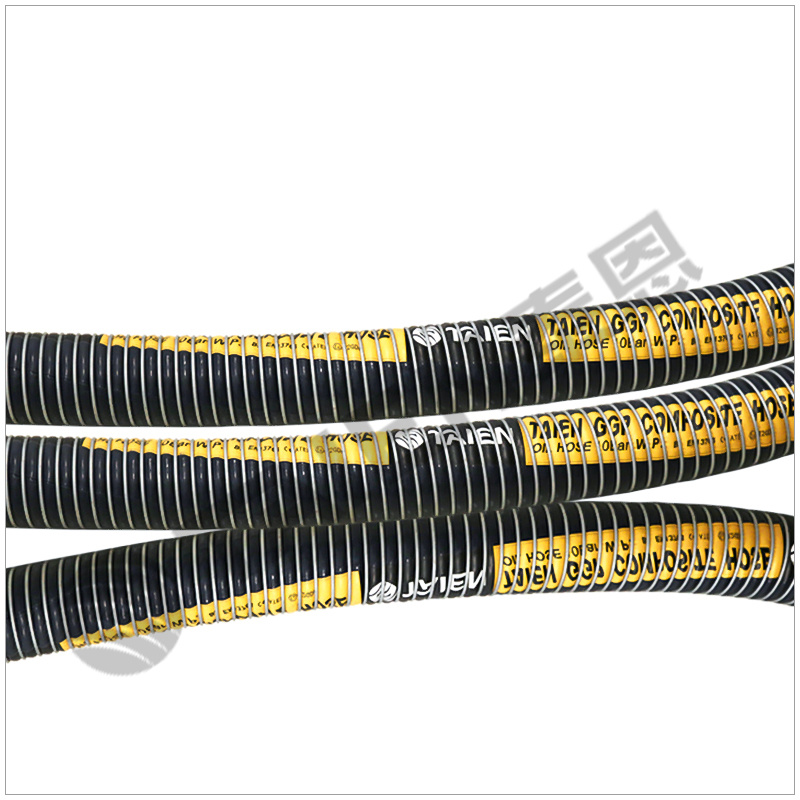
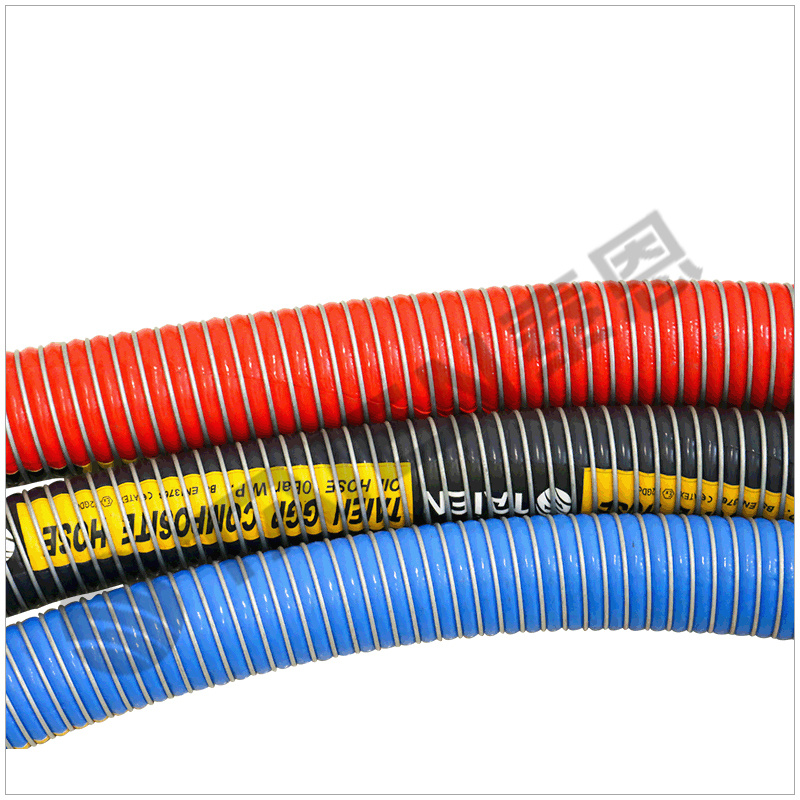
Composite hoses are engineered products composed of multiple layers of materials that work together to create a hose that is lightweight yet incredibly strong. Typically, these hoses feature an inner layer made of a thermoplastic polymer, surrounded by layers of textile reinforcement and an outer layer made of durable materials like PVC or rubber. This unique construction offers a range of advantages, making them ideal for various applications, particularly in the transportation of chemicals, oils, and other materials.
3. Understanding Traditional Hoses
Traditional hoses, often made from rubber or PVC, have been a staple in various industries for decades. These hoses are typically single-layer constructions and are known for their straightforward design and reliable performance. They are commonly used for applications such as water delivery, air handling, and light-duty material transfer. However, their limitations in terms of flexibility, strength, and chemical resistance make them less suitable for more demanding environments.
4. Key Differences Between Composite and Traditional Hoses
Understanding the fundamental differences between composite and traditional hoses is crucial for making informed decisions. Here, we explore the most significant distinctions.
4.1 Material Composition
**Composite hoses** are constructed from multiple layers of materials, providing a unique combination of strength and flexibility. In contrast, **traditional hoses** are generally made from a single material, which may limit their performance in certain applications.
4.2 Durability and Lifespan
Composite hoses exhibit superior durability due to their multi-layer construction, which helps them withstand harsh conditions. Traditional hoses may degrade over time, especially when exposed to extreme temperatures or aggressive chemicals.
4.3 Flexibility and Handling
One of the standout features of composite hoses is their flexibility. They can be easily maneuvered in tight spaces, which is often essential in busy industrial environments. Traditional hoses tend to be stiffer, making them harder to handle.
4.4 Temperature and Chemical Resistance
Composite hoses are designed to withstand a wider range of temperatures and resist various chemicals, making them suitable for specialized applications. Traditional hoses, while adequate for many tasks, may not offer the same level of chemical resistance and can be compromised in extreme temperatures.
4.5 Cost-Effectiveness
While composite hoses may have a higher initial cost due to their advanced materials and construction, their durability and longevity often result in lower overall costs. In contrast, traditional hoses may be cheaper upfront, but their shorter lifespan can lead to higher replacement costs over time.
5. Applications of Composite Hoses
Composite hoses are versatile and can be used in numerous applications:
- **Chemical Transport**: Their resistance to aggressive chemicals makes them ideal for transporting various industrial chemicals safely.
- **Petroleum and Oil Industries**: Composite hoses are widely used in the oil and gas sectors due to their ability to handle petroleum-based products.
- **Food and Beverage Industry**: Certain composite hoses are designed to meet food safety standards, allowing for the safe transfer of food products.
6. Applications of Traditional Hoses
While they may not be as versatile as composite hoses, traditional hoses still have their place in many applications:
- **Water Supply**: Traditional hoses are commonly used for general water supply or garden irrigation.
- **Air Handling**: They are effective in transporting air for various pneumatic tools and systems.
- **Light Material Transfer**: Traditional hoses are often sufficient for transferring less aggressive materials.
7. Selecting the Right Hose for Your Needs
Choosing between composite and traditional hoses depends on various factors, including:
- **Application Requirements**: Assess the materials you need to transport, including their temperature and chemical properties.
- **Environmental Conditions**: Consider the conditions the hose will be exposed to, such as extreme temperatures or outdoor elements.
- **Budget Constraints**: Evaluate both initial costs and long-term value based on durability and maintenance needs.
8. Frequently Asked Questions (FAQs)
1. What is the main advantage of using composite hoses?
Composite hoses offer enhanced flexibility, durability, and chemical resistance, making them suitable for demanding applications.
2. Are traditional hoses cheaper than composite hoses?
Traditional hoses typically have a lower initial cost, but their shorter lifespan may lead to higher replacement costs over time.
3. Can composite hoses be used for food applications?
Yes, certain composite hoses are designed to meet food safety standards and can be used for food and beverage applications.
4. How do I determine the right hose for my application?
Consider the materials being transported, environmental conditions, and your budget when selecting a hose.
5. What maintenance do composite hoses require?
Composite hoses generally require minimal maintenance but should be regularly inspected for signs of wear or damage.
9. Conclusion
In the ever-evolving packaging and printing industry, making informed choices about the hoses used in your operations is essential. Understanding the differences between composite hoses and traditional hoses is crucial for optimizing efficiency, safety, and cost-effectiveness. Composite hoses excel in durability, flexibility, and chemical resistance, making them suitable for a wide array of demanding applications, while traditional hoses still hold their ground in simplistic tasks. By assessing your specific needs and conditions, you can ensure that you select the right hose to enhance your operational capabilities.
Recommended Reading



Guangdong Taien Fluid Control Equipment Co., Ltd. is a professional manufacturer and supplier of fluid transmission equipment, focusing on various types of gas stations, chemical plants, oil refineries for more than 20 years It is a state-level high-tech enterprise that provides high-quality complete sets of equipment and surrounding safety and environmental protection facilities.


Product Series
Contact us
+86-020-34008936
Unit 3314, No 1020 Xingangdong Road, Haizhu, Guangzhou China.

Mobile Website
