
Common Applications for Rope-Type Breakaway Valves in the Industrial Sector
Release time:
2024-11-14
Author:
Source:
Abstract
Common Applications for Rope-Type Breakaway Valves in the Industrial Sector
Introduction to Rope-Type Breakaway Valves
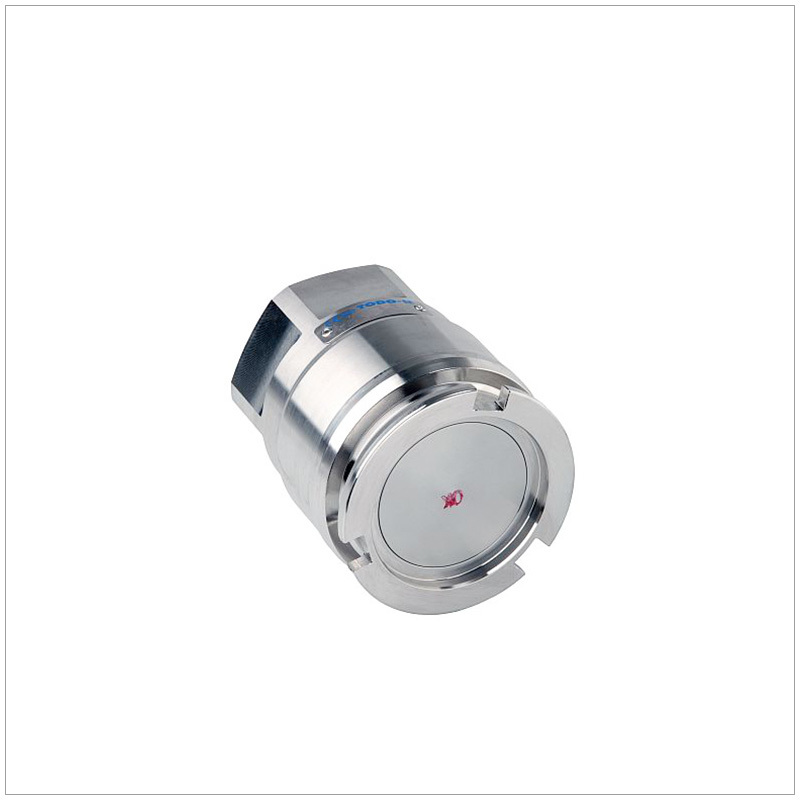
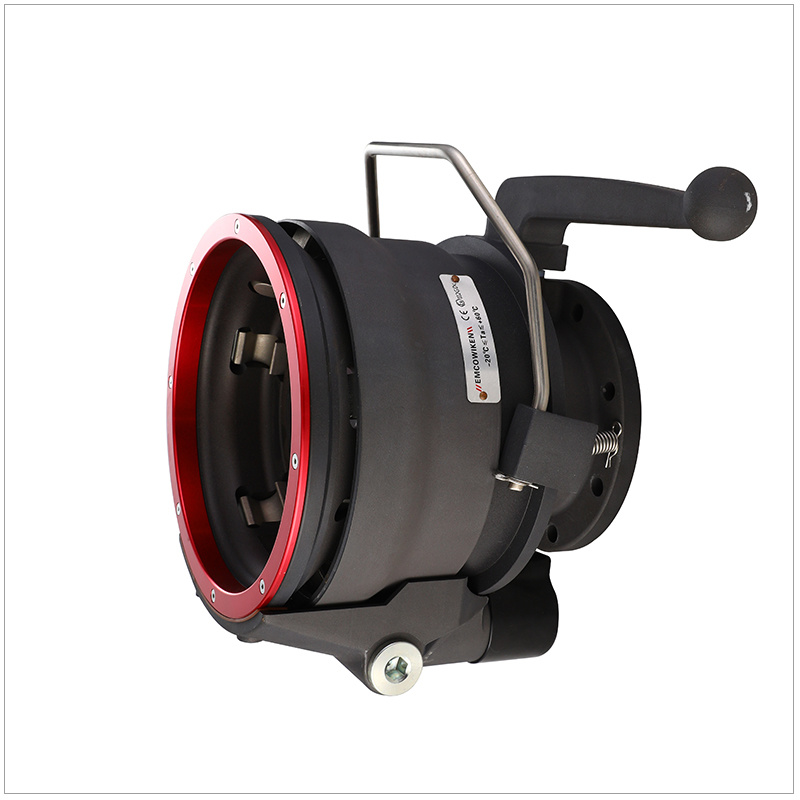
Rope-type breakaway valves are vital components in various industrial applications, primarily designed to safeguard against fluid spillage in the event of a disconnection. These valves are engineered to break away under specific tension, allowing for immediate closure and preventi
Common Applications for Rope-Type Breakaway Valves in the Industrial Sector
Introduction to Rope-Type Breakaway Valves
Rope-type breakaway valves are vital components in various industrial applications, primarily designed to safeguard against fluid spillage in the event of a disconnection. These valves are engineered to break away under specific tension, allowing for immediate closure and preventing hazardous leaks. In this article, we will explore the common applications of these valves across different industrial sectors, highlighting their significance in maintaining safety standards.
Understanding the Mechanics of Rope-Type Breakaway Valves
Rope-type breakaway valves operate on a simple yet effective mechanism. They are typically installed in lines carrying liquids, such as fuel or chemicals, and are tethered to a flexible rope. When excessive tension is applied—often due to accidents like a vehicle hitting a hose—the valve breaks away, sealing the line and mitigating the risk of spillage.
Key Features and Benefits
- **Prevention of Environmental Hazards**: These valves significantly reduce the risk of pollution by containing hazardous materials.
- **Operational Efficiency**: By preventing leaks, they help maintain the efficiency of operations, reducing the need for cleanup and repairs.
- **Compliance with Regulations**: Utilizing breakaway valves can help businesses adhere to environmental regulations, avoiding hefty fines and legal issues.
Common Industrial Applications for Rope-Type Breakaway Valves
Rope-type breakaway valves find utility in a variety of industrial settings. Here, we delve into some of the most common applications.
1. Fuel Stations and Refineries
At fuel stations, rope-type breakaway valves are crucial to prevent fuel spills during vehicle refueling. If a vehicle drives off while still connected to the pump, the valve breaks away, stopping the flow of fuel instantly. This application not only protects the environment but also enhances customer safety.
2. Chemical Processing Plants
In chemical processing facilities, these valves play a critical role in managing the flow of hazardous chemicals. They ensure that in the event of a hose disconnection, the chemicals do not leak into the environment, thus protecting both personnel and the surrounding areas.
3. Marine Applications
Rope-type breakaway valves are also commonly used in maritime operations. They are installed in fueling systems for ships to prevent spills and to ensure that the fuel transfer process is not compromised. This is particularly important in preventing marine pollution.
4. Agricultural Sector
In agriculture, these valves are utilized in irrigation systems and liquid fertilizer applications. They help to prevent spills during the transportation of water and chemicals, ensuring that resources are used efficiently and safely.
5. Transportation and Logistics
Within the logistics sector, especially in transporting liquids, breakaway valves are essential. They are employed in tanker trucks and rail cars to prevent leaks during loading and unloading processes, thereby reducing the risk of accidents and environmental damage.
Installation and Maintenance of Rope-Type Breakaway Valves
Proper installation and regular maintenance of rope-type breakaway valves are crucial for their effective operation. Here’s what to consider.
Installation Guidelines
- **Positioning**: Ensure valves are placed at strategic points where disconnections are likely to occur.
- **Compatibility**: Choose valves that are compatible with the fluids being transported to avoid material degradation.
Maintenance Practices
- **Regular Inspections**: Conduct routine inspections to check for signs of wear or damage.
- **Functional Testing**: Perform tests periodically to ensure that the valves operate as intended under stress conditions.
Challenges in Using Rope-Type Breakaway Valves
While rope-type breakaway valves offer numerous benefits, there are challenges to consider.
1. Material Durability
Choosing the right materials is essential, as exposure to harsh chemicals can lead to premature failure.
2. Environmental Conditions
Outdoor installations may face challenges from temperature fluctuations and weather conditions, which can impact valve performance.
Future Trends in Rope-Type Breakaway Valves
The industrial sector is continuously evolving, and so are the technologies associated with rope-type breakaway valves.
1. Smart Technology Integration
As industries move towards automation, integrating smart sensors with breakaway valves will provide real-time monitoring and alerts, enhancing safety protocols.
2. Enhanced Materials
Developments in material science are leading to more durable and resistant valve designs, which can withstand a broader range of chemicals and environmental conditions.
FAQs About Rope-Type Breakaway Valves
1. What is the primary function of rope-type breakaway valves?
The primary function of rope-type breakaway valves is to prevent fluid spillage in the event of a disconnection, ensuring safety in industrial applications.
2. How do I know if my rope-type breakaway valve needs replacement?
Signs such as visible wear, leaks, or failure during functional testing indicate that the valve may need replacement.
3. Are rope-type breakaway valves suitable for all types of fluids?
No, it is essential to choose valves that are compatible with the specific types of fluids being transported to avoid degradation.
4. How often should rope-type breakaway valves be inspected?
Regular inspections should be conducted at least once a year, or more frequently in high-use environments.
5. Can rope-type breakaway valves be used in extreme temperatures?
Yes, but it is important to select valves that are specifically designed to withstand extreme temperature conditions.
Conclusion
Rope-type breakaway valves are indispensable in the industrial sector, offering reliable solutions for preventing fluid spillage and enhancing safety. Their diverse applications across fuel stations, chemical plants, marine operations, agriculture, and logistics underline their significance. With ongoing advancements in technology and materials, these valves will continue to play a critical role in safeguarding environments and ensuring operational efficiency. Investing in quality breakaway valves and adhering to proper maintenance practices will ensure that industries can operate safely and effectively while minimizing risks.
Recommended Reading



Guangdong Taien Fluid Control Equipment Co., Ltd. is a professional manufacturer and supplier of fluid transmission equipment, focusing on various types of gas stations, chemical plants, oil refineries for more than 20 years It is a state-level high-tech enterprise that provides high-quality complete sets of equipment and surrounding safety and environmental protection facilities.


Product Series
Contact us
+86-020-34008936
Unit 3314, No 1020 Xingangdong Road, Haizhu, Guangzhou China.

Mobile Website
