
API Special Connectors: Revolutionizing Oil and Gas Recovery
Release time:
2024-12-09
Author:
Source:
Abstract
API Special Connectors: Revolutionizing Oil and Gas Recovery
Table of Contents
1. Introduction to API Special Connectors
2. The Importance of Special Connectors in Oil and Gas Recovery
3. Types of API Special Connectors and Their Applications
4. Advantages of Using API Special Connectors
5. Installation and Maintenance of Special Connectors
6. Industry Standa
API Special Connectors: Revolutionizing Oil and Gas Recovery
Table of Contents
- 1. Introduction to API Special Connectors
- 2. The Importance of Special Connectors in Oil and Gas Recovery
- 3. Types of API Special Connectors and Their Applications
- 4. Advantages of Using API Special Connectors
- 5. Installation and Maintenance of Special Connectors
- 6. Industry Standards Governing API Connectors
- 7. The Future of API Special Connectors in Energy Recovery
- 8. Conclusion
- 9. Frequently Asked Questions
1. Introduction to API Special Connectors
The oil and gas industry is constantly evolving, with technology playing a pivotal role in improving efficiency and safety. One of the significant advancements in this field has been the development of **API Special Connectors**. These connectors are designed to facilitate the safe and efficient transportation of oil and gas from extraction sites to processing facilities. Understanding the function and importance of these connectors is crucial for professionals in the sector.
2. The Importance of Special Connectors in Oil and Gas Recovery
API Special Connectors serve as critical components in the oil and gas supply chain. They ensure that the flow of resources is seamless and secure, minimizing the risk of leaks and other hazards. The importance of these connectors can be outlined as follows:
2.1 Enhancing Operational Efficiency
By allowing for quick and reliable connections, API Special Connectors significantly improve operational efficiency. They minimize downtime during maintenance and repairs, ensuring that production levels remain high.
2.2 Ensuring Safety and Reliability
Safety is a top priority in the oil and gas industry. API Special Connectors are engineered to withstand extreme conditions, reducing the risk of accidents related to equipment failure.
2.3 Facilitating Compliance with Regulations
Adhering to industry regulations is essential for any oil and gas operation. API Special Connectors are designed to meet strict compliance standards, ensuring that operations can proceed without legal complications.
3. Types of API Special Connectors and Their Applications
There are several types of API Special Connectors, each designed for specific applications within the oil and gas sector:
3.1 Flanged Connectors
Flanged connectors are widely used in pipeline systems. They provide a robust and secure connection, capable of withstanding high-pressure conditions, making them essential for transporting crude oil and natural gas.
3.2 Threaded Connectors
Threaded connectors are often employed in drilling operations. Their design allows for easy assembly and disassembly, making them ideal for environments where quick modifications may be necessary.
3.3 Quick-Connect Connectors
Quick-connect connectors streamline the process of connecting and disconnecting equipment. They are particularly beneficial in maintenance situations where timely interventions are crucial.
3.4 Specialty Connectors
These are custom-designed connectors tailored for specific applications. Specialty connectors address unique challenges faced by various oil and gas operations, demonstrating the versatility of API standards.
4. Advantages of Using API Special Connectors
The adoption of API Special Connectors brings numerous advantages to oil and gas operations:
4.1 Cost-Effectiveness
Investing in high-quality connectors may seem costly upfront, but their durability and reliability can lead to significant savings in the long term. Reduced maintenance costs and decreased downtime translate to increased profitability.
4.2 Improved Performance
API Special Connectors are engineered for optimal performance under extreme conditions. Their ability to ensure a tight seal minimizes the risk of leaks, enhancing overall operational performance.
4.3 Versatility
With various types available, API Special Connectors can be utilized across different stages of oil and gas recovery. Their versatility makes them suitable for a range of applications, from drilling to transportation.
4.4 Easy Maintenance
The design of API Special Connectors allows for straightforward inspection and maintenance. This ease of use ensures that operations can quickly address any issues, maintaining high safety standards.
5. Installation and Maintenance of Special Connectors
Proper installation and maintenance of API Special Connectors are essential for ensuring their effectiveness and longevity.
5.1 Installation Procedures
To guarantee a secure connection, it is vital to follow precise installation procedures. This includes checking all components for damage, ensuring the correct alignment, and applying the appropriate torque.
5.2 Regular Inspections
Routine inspections are necessary to identify any signs of wear or damage. These inspections should include checking for leaks, corrosion, and alignment issues.
5.3 Maintenance Practices
Adopting proactive maintenance practices can significantly extend the lifespan of API Special Connectors. This includes cleaning, lubricating moving parts, and replacing any worn components before they lead to larger issues.
6. Industry Standards Governing API Connectors
API Special Connectors are governed by a set of industry standards designed to ensure quality and safety. These standards include:
6.1 API Specification 16C
This specification addresses the design and performance requirements for connectors used in subsea applications, ensuring they can withstand harsh marine environments.
6.2 API Specification 7-1
This specification outlines the requirements for drilling equipment, including the connectors used in drilling operations, ensuring they meet necessary safety and performance criteria.
6.3 ISO Standards
International Organization for Standardization (ISO) standards complement API specifications, providing additional guidelines that enhance the safety and reliability of API Special Connectors globally.
7. The Future of API Special Connectors in Energy Recovery
The future of API Special Connectors looks promising as the oil and gas industry continues to innovate. Emerging technologies such as **smart connectors** equipped with sensors for real-time monitoring are on the horizon. These advancements will not only improve safety but also optimize performance by providing valuable data for predictive maintenance.
8. Conclusion
API Special Connectors play a crucial role in the oil and gas recovery process. Their ability to enhance operational efficiency, ensure safety, and comply with industry standards makes them indispensable tools in the energy sector. As technology advances, we can expect even more innovations in the design and functionality of these connectors, further solidifying their position as a game changer in oil and gas recovery.
9. Frequently Asked Questions
What are API Special Connectors?
API Special Connectors are high-quality connectors designed to facilitate the safe and efficient transportation of oil and gas, ensuring reliability and compliance with industry standards.
How do API Special Connectors enhance safety in oil and gas operations?
These connectors are engineered to withstand extreme conditions, minimizing the risk of leaks and equipment failure, thereby enhancing overall safety in operations.
What types of API Special Connectors are available?
The main types include flanged, threaded, quick-connect, and specialty connectors, each designed for specific applications within the oil and gas sector.
How can I ensure the longevity of API Special Connectors?
Regular inspections, proper installation procedures, and proactive maintenance practices are essential for ensuring the longevity and effectiveness of API Special Connectors.
What industry standards apply to API Special Connectors?
API Special Connectors are governed by several industry standards, including API Specification 16C and API Specification 7-1, which ensure quality and safety in their applications.
Recommended Reading

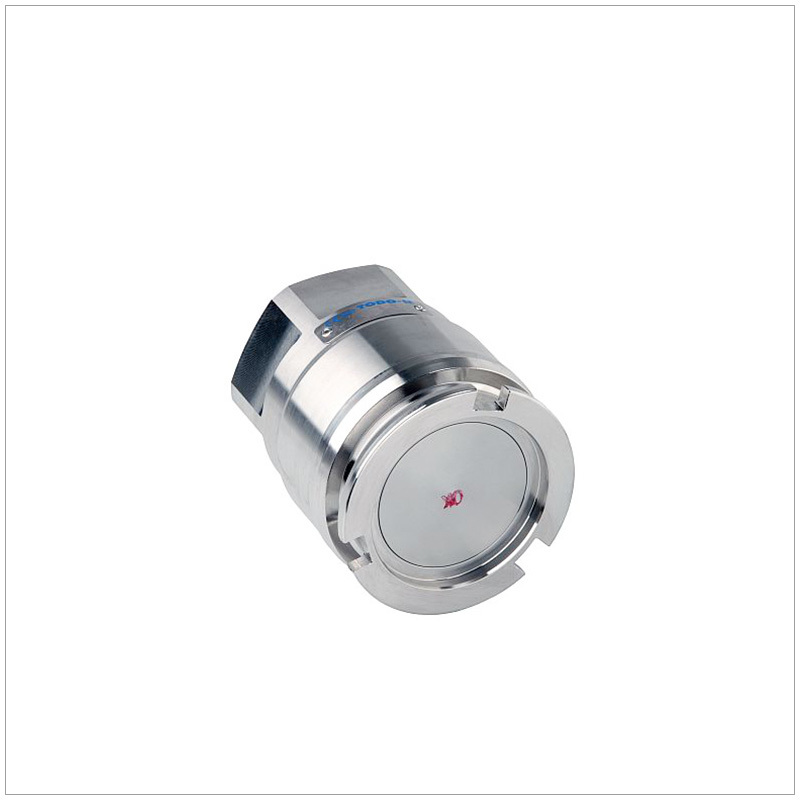
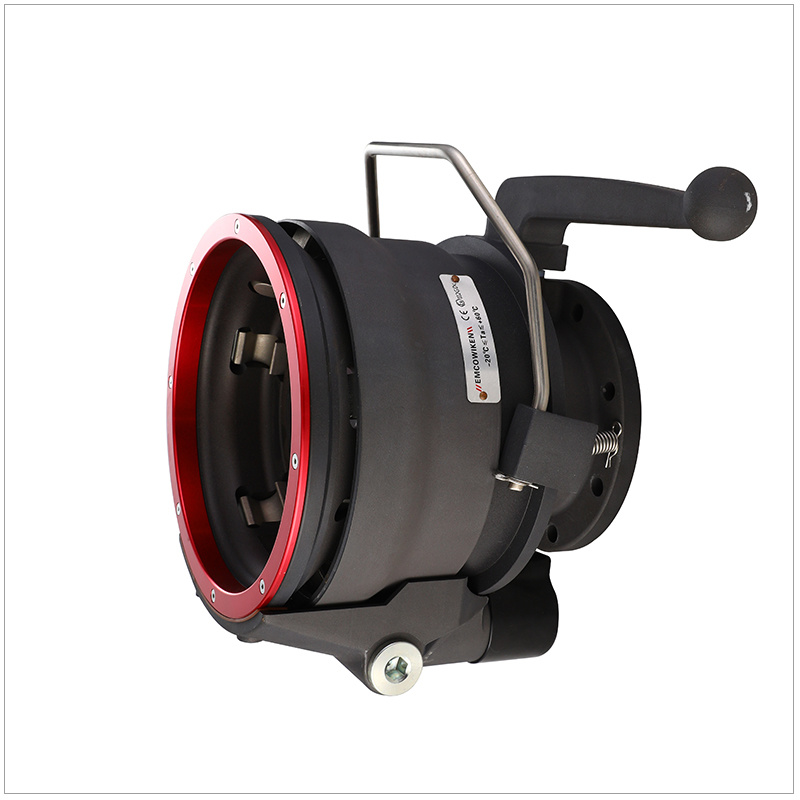

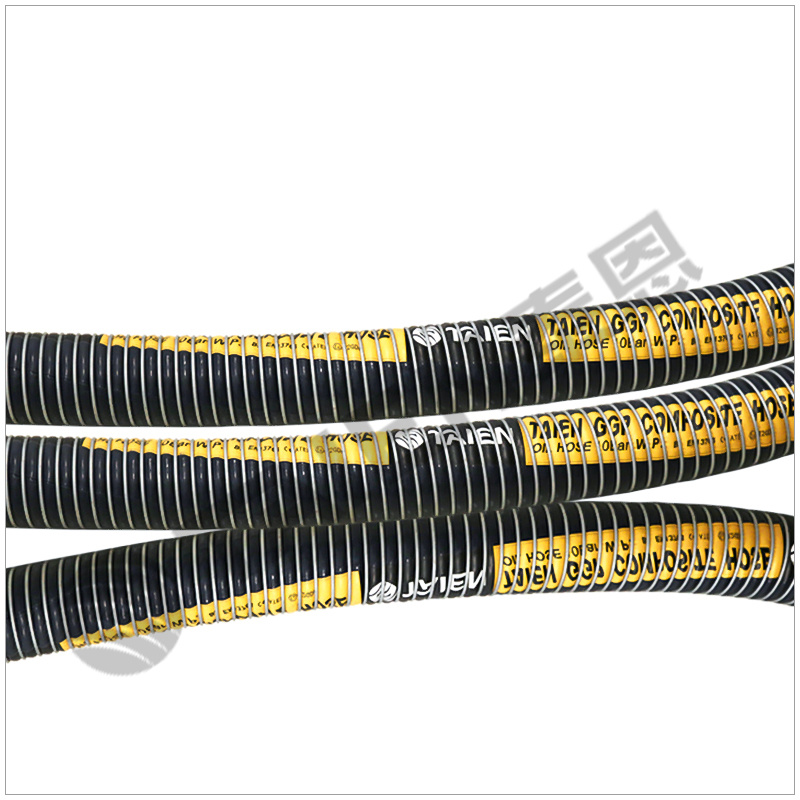
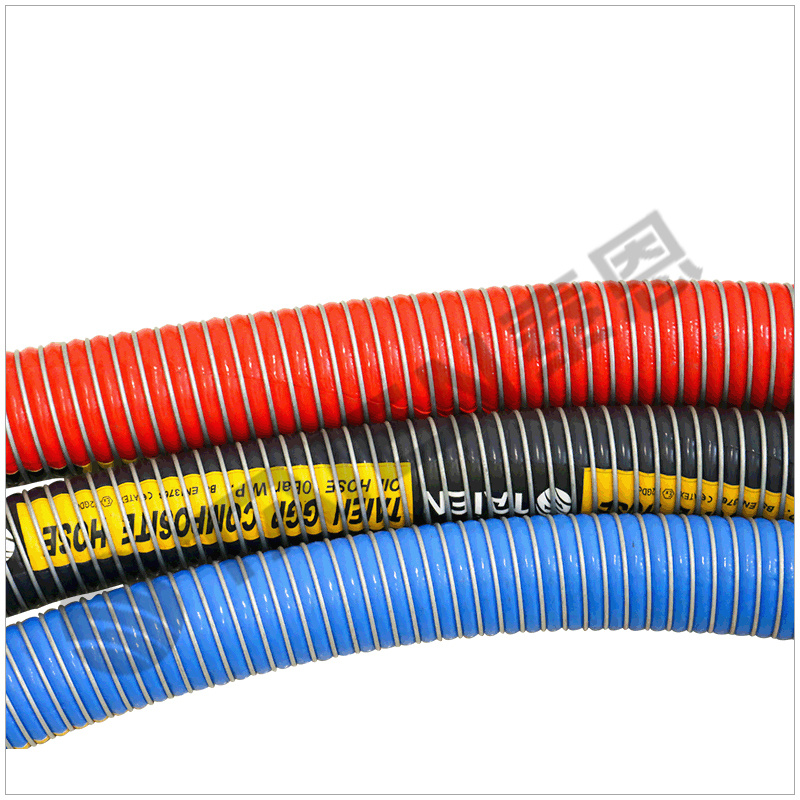

Guangdong Taien Fluid Control Equipment Co., Ltd. is a professional manufacturer and supplier of fluid transmission equipment, focusing on various types of gas stations, chemical plants, oil refineries for more than 20 years It is a state-level high-tech enterprise that provides high-quality complete sets of equipment and surrounding safety and environmental protection facilities.


Product Series
Contact us
+86-020-34008936
Unit 3314, No 1020 Xingangdong Road, Haizhu, Guangzhou China.

Mobile Website
