
How to Properly Install Marine Hose in Your Pneumatic Systems: A Comprehensive Guide
Release time:
2024-12-20
Author:
Source:
Abstract
How to Properly Install Marine Hose in Your Pneumatic Systems: A Comprehensive Guide
Marine hoses play a crucial role in pneumatic systems, ensuring the efficient transfer of air and fluids in various applications. Proper installation is vital to prevent leaks, enhance performance, and ensure safety. In this guide, we'll explore the essential steps and best practices for installing marine hoses in your pneumatic systems, along with tips for maintenance and troubleshooting.
Table of Contents
- 1. Introduction to Marine Hoses and Their Importance in Pneumatic Systems
- 2. Types of Marine Hoses Used in Pneumatic Systems
- 3. Pre-Installation Checks: Ensuring Compatibility and Quality
- 4. Step-by-Step Installation Process for Marine Hoses
- 5. Common Mistakes to Avoid When Installing Marine Hoses
- 6. Maintenance Tips for Marine Hoses in Pneumatic Systems
- 7. Troubleshooting Common Issues with Marine Hoses
- 8. Conclusion
- 9. Frequently Asked Questions (FAQs)
1. Introduction to Marine Hoses and Their Importance in Pneumatic Systems
Marine hoses are specialized tubes designed to transport air and fluids in marine and maritime environments. They are engineered to resist corrosion, abrasion, and extreme weather conditions, making them ideal for pneumatic systems that operate on vessels or in coastal areas. Proper installation of these hoses ensures reliability and efficiency in system performance.
2. Types of Marine Hoses Used in Pneumatic Systems
Understanding the different types of marine hoses available is essential for selecting the right one for your pneumatic system. Here are some common types:
2.1. Reinforced Marine Hoses
These hoses feature internal reinforcements that enhance durability and pressure resistance, making them suitable for high-pressure applications.
2.2. Lightweight Marine Hoses
Lightweight marine hoses are designed for ease of handling and installation, often used in applications where flexibility is crucial.
2.3. Corrugated Marine Hoses
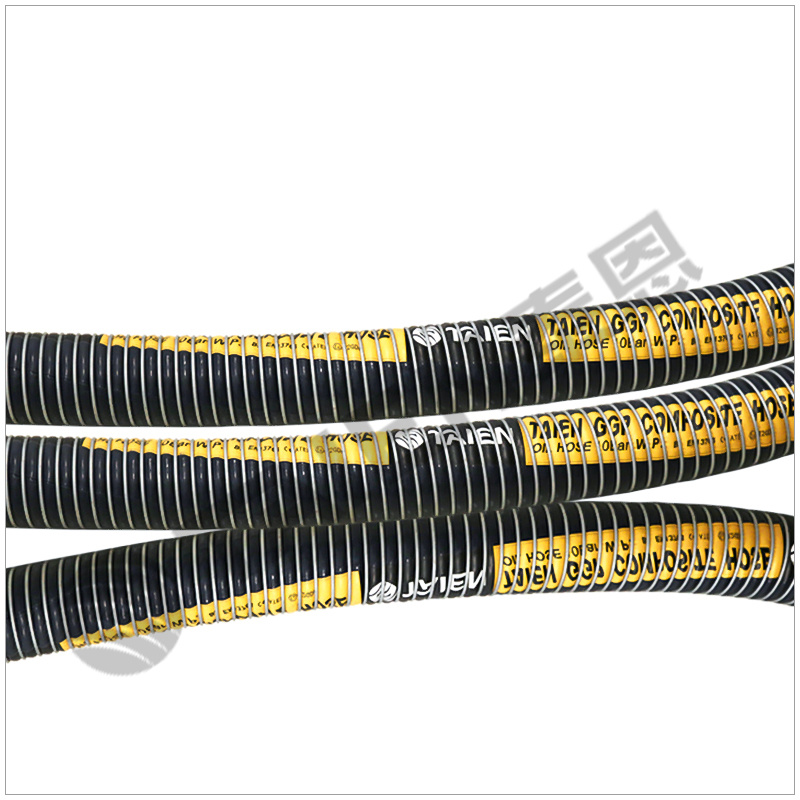
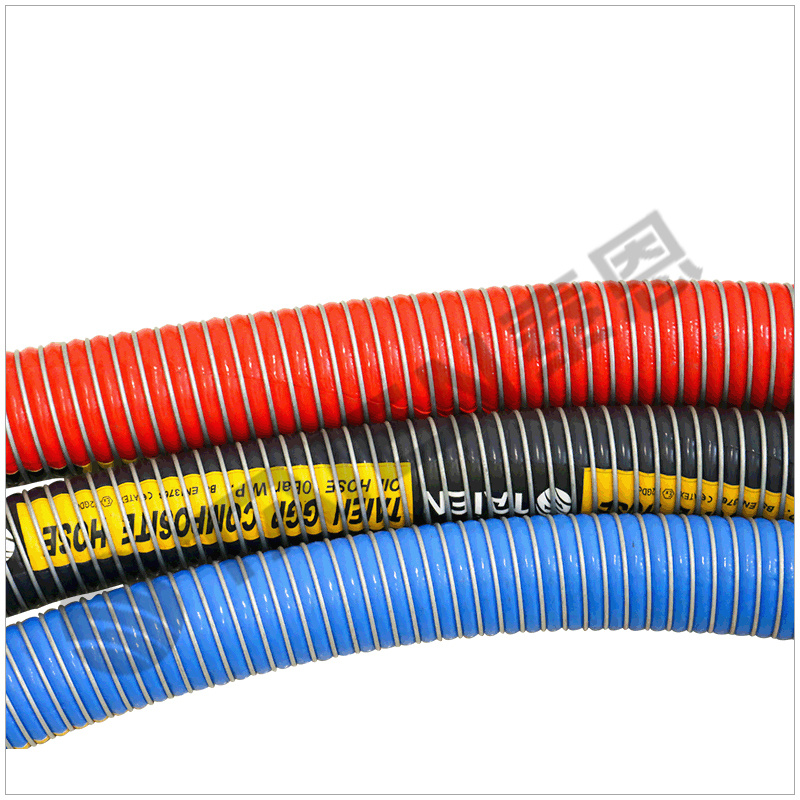
With a flexible design, corrugated hoses can accommodate various bending angles, ideal for tight spaces and complex routing.
2.4. PVC Marine Hoses
PVC hoses are cost-effective and resistant to many chemicals, making them suitable for various pneumatic applications, although they may not withstand extreme conditions as well as rubber hoses.
3. Pre-Installation Checks: Ensuring Compatibility and Quality
Before beginning the installation process, several essential checks should be performed to ensure compatibility and quality:
3.1. Select the Appropriate Hose Type
Identify the type of marine hose that best suits your specific pneumatic application, considering factors such as pressure ratings and fluid compatibility.
3.2. Inspect Hose Condition
Carefully inspect the marine hose for any signs of wear, damage, or defects. A high-quality hose should be free of cracks, cuts, or bulges.
3.3. Verify Fitting Compatibility
Ensure that the fittings you plan to use are compatible with the selected hose type. Mismatched fittings can lead to leaks and system failures.
3.4. Gather Necessary Tools and Materials
Prepare all necessary tools, such as wrenches, clamps, and cutters, as well as any additional materials required for the installation, like hose supports and sealing compounds.
4. Step-by-Step Installation Process for Marine Hoses
Follow these detailed steps to achieve a successful installation of marine hoses in your pneumatic systems:
4.1. Measure and Cut the Hose
Measure the required length of the marine hose accurately, accounting for any bends or curves needed in your system. Using a sharp hose cutter, make a clean cut to avoid fraying.
4.2. Prepare the Hose Ends
Deburr the cut ends to eliminate any sharp edges that could damage fittings or seals. This preparation is crucial for ensuring a tight seal during assembly.
4.3. Install Fittings and Clamps
Insert the fitting into the hose end, pushing it in firmly. Secure it in place with a clamp, tightening it enough to create a secure connection without damaging the hose.
4.4. Position the Hose
Route the hose through the pneumatic system, avoiding sharp edges or potential pinch points. Ensure that the hose has enough slack to accommodate movement without excessive bending.
4.5. Connect to Pneumatic System
Connect the hose to the pneumatic system, ensuring that all fittings are properly tightened to prevent leaks. Double-check the alignment to avoid stress on the hose.
4.6. Test the System
Once everything is connected, power up the pneumatic system and conduct a thorough leak test. Observe for any signs of air or fluid escaping from the connections.
5. Common Mistakes to Avoid When Installing Marine Hoses
To ensure a successful installation, be mindful of common mistakes that can compromise performance:
5.1. Neglecting Compatibility
Using hoses or fittings that are not compatible with each other can lead to leaks and system failures. Always verify specifications.
5.2. Poor Cutting Technique
Employing a dull blade or improper cutting technique can result in frayed hose ends, which may cause leaks. Ensure a clean cut with the appropriate tool.
5.3. Over-Tightening Clamps
While clamps must be secure, over-tightening can damage the hose, leading to premature failure. Follow manufacturer recommendations for torque settings.
5.4. Skipping Testing
Failing to test the system after installation can lead to undetected leaks. Always conduct a thorough check under operational conditions.
6. Maintenance Tips for Marine Hoses in Pneumatic Systems
Regular maintenance is critical for extending the life of marine hoses in pneumatic systems:
6.1. Inspect Regularly
Schedule routine inspections of hoses for visible signs of wear or damage. Early detection can prevent costly repairs down the line.
6.2. Clean and Clear Debris
Keep the surrounding area clean and free from debris that could cause abrasion or damage to the hoses.
6.3. Monitor System Pressure
Regularly monitor the pressure within the pneumatic system to ensure it remains within the specified limits for your hoses.
7. Troubleshooting Common Issues with Marine Hoses
If issues arise after installation, consider these troubleshooting steps:
7.1. Identifying Leaks
A hissing sound or visible moisture can indicate a leak. Check all fittings and connections for proper tightness and replace any damaged hoses.
7.2. Inspecting for Kinks
Kinks in hoses can restrict airflow and lead to performance issues. If kinks are present, reposition the hose to eliminate bends and ensure smooth routing.
7.3. Checking Compatibility
If problems persist, reassess the compatibility of hoses and fittings to ensure they match the specifications required for your system.
8. Conclusion
Installing marine hoses in pneumatic systems is a task that requires careful attention to detail and adherence to best practices. By following the steps outlined in this guide, you can ensure a reliable and efficient installation that maximizes the performance of your system. Regular maintenance and troubleshooting will further enhance the longevity of your marine hoses, ensuring that your pneumatic systems operate safely and effectively for years to come.
9. Frequently Asked Questions (FAQs)
9.1. What are the key considerations when selecting marine hoses?
Key considerations include the hose's pressure rating, chemical compatibility, temperature resistance, and flexibility requirements for your specific application.
9.2. How often should I inspect marine hoses for wear?
Regular inspections should be conducted every six months or after any significant operational changes to ensure hoses remain in good condition.
9.3. Can I use regular hoses instead of marine hoses in my pneumatic system?
No, regular hoses may not withstand the harsh marine environment and can lead to premature failure. It's essential to use marine-grade hoses designed for such conditions.
9.4. What tools do I need for installing marine hoses?
You will need a hose cutter, wrenches for fitting connections, clamps, and possibly sealing compounds to ensure a secure installation.
9.5. What should I do if I notice a leak after installation?
If a leak occurs, first turn off the system and check all connections for tightness. If leaks persist, inspect the hose for damage and replace as necessary.
Recommended Reading



Guangdong Taien Fluid Control Equipment Co., Ltd. is a professional manufacturer and supplier of fluid transmission equipment, focusing on various types of gas stations, chemical plants, oil refineries for more than 20 years It is a state-level high-tech enterprise that provides high-quality complete sets of equipment and surrounding safety and environmental protection facilities.


Product Series
Contact us
+86-020-34008936
Unit 3314, No 1020 Xingangdong Road, Haizhu, Guangzhou China.

Mobile Website
