
Troubleshooting Common Issues with Oil Gas Recovery Connectors: A Comprehensive Guide
Release time:
2024-12-23
Author:
Source:
Abstract
Troubleshooting Common Issues with Oil Gas Recovery Connectors
Table of Contents
1. Introduction to Oil Gas Recovery Connectors
2. Importance of Proper Functioning
3. Common Issues with Oil Gas Recovery Connectors
4. Causes of Connector Failures
5. Troubleshooting Step-by-Step
6. Effective Solutions for Common Problems
7. Best Practices for Maintenance
8. Frequently Asked Question
Troubleshooting Common Issues with Oil Gas Recovery Connectors
Table of Contents
- 1. Introduction to Oil Gas Recovery Connectors
- 2. Importance of Proper Functioning
- 3. Common Issues with Oil Gas Recovery Connectors
- 4. Causes of Connector Failures
- 5. Troubleshooting Step-by-Step
- 6. Effective Solutions for Common Problems
- 7. Best Practices for Maintenance
- 8. Frequently Asked Questions (FAQs)
- 9. Conclusion
1. Introduction to Oil Gas Recovery Connectors
Oil gas recovery connectors play a pivotal role in the energy sector, facilitating the transfer of hydrocarbons from one point to another. These connectors are engineered to withstand harsh environments, ensuring that oil and gas operations run smoothly. However, even the best connectors can encounter issues that may impede functionality. Understanding these connectors' operations and potential problems is essential for professionals in the industry.
2. Importance of Proper Functioning
The proper functioning of oil gas recovery connectors is crucial for several reasons:
- **Safety**: Malfunctioning connectors can lead to hazardous leaks, posing risks to personnel and the environment.
- **Efficiency**: Optimal connector performance ensures that resources are utilized effectively, minimizing downtime and maximizing productivity.
- **Cost-Effectiveness**: Addressing connector issues promptly can save significant costs associated with repairs and lost production.
Recognizing the importance of these components is the first step in troubleshooting any problems that may arise.
3. Common Issues with Oil Gas Recovery Connectors
Several issues may commonly arise with oil gas recovery connectors, including:
3.1 Leaks
Leaks are one of the most frequent issues encountered. They can occur due to improper sealing, wear and tear, or damage to the connector itself.
3.2 Corrosion
Corrosion can significantly impact the integrity of connectors, especially in harsh environments. This deterioration can lead to failures over time.
3.3 Misalignment
Misalignment of connectors can lead to strain and eventual failure. This issue can arise during installation or as a result of movement in the piping system.
3.4 Excessive Pressure
Connectors are designed to handle certain pressure levels. Exceeding these limits can result in catastrophic failure.
4. Causes of Connector Failures
Understanding the root causes of connector failures is essential in troubleshooting. Some primary causes include:
4.1 Material Deficiencies
Using substandard materials can lead to premature wear and failure. Ensuring that connectors are made from high-quality materials suitable for their intended use is vital.
4.2 Environmental Factors
Exposure to extreme temperatures, chemicals, and moisture can compromise connector integrity. Selecting connectors designed for specific environmental conditions helps mitigate these risks.
4.4 Improper Installation
Incorrect installation procedures can lead to various issues, including leaks and misalignment. Following manufacturer guidelines is crucial for ensuring proper functionality.
5. Troubleshooting Step-by-Step
When facing issues with oil gas recovery connectors, a systematic approach to troubleshooting is essential:
5.1 Visual Inspection
Start with a thorough visual inspection of the connectors and surrounding areas. Look for signs of wear, corrosion, or leaks.
5.2 Check for Alignment
Ensure that the connectors are properly aligned. Misalignment can be a significant factor in many connector issues.
5.3 Pressure Testing
Conduct pressure tests to determine if the connectors can withstand operational pressures without leaking.
5.4 Review Installation Procedures
Evaluate the installation process to identify any deviations from recommended practices.
6. Effective Solutions for Common Problems
Once issues have been identified, implementing effective solutions is necessary:
6.1 Seal Replacement
For leaks, replacing seals with high-quality, compatible materials can restore functionality.
6.2 Corrosion Protection
Applying protective coatings can help mitigate corrosion, ensuring the longevity of connectors.
6.3 Realignment
If misalignment is detected, realign connectors according to specifications to prevent strain.
6.4 Pressure Regulation
Install pressure regulators to ensure that connectors operate within safe limits to prevent failures.
7. Best Practices for Maintenance
Preventive maintenance is key to avoiding connector failures. Implementing the following best practices can extend the life of your connectors:
7.1 Regular Inspections
Schedule routine inspections to identify any signs of wear or damage early.
7.2 Cleaning
Keep connectors clean and free from debris and corrosive substances.
7.3 Proper Storage
Store connectors in a controlled environment to prevent unnecessary exposure to harsh conditions.
7.4 Training Personnel
Ensure that all personnel involved in installation and maintenance are adequately trained.
8. Frequently Asked Questions (FAQs)
8.1 What are oil gas recovery connectors?
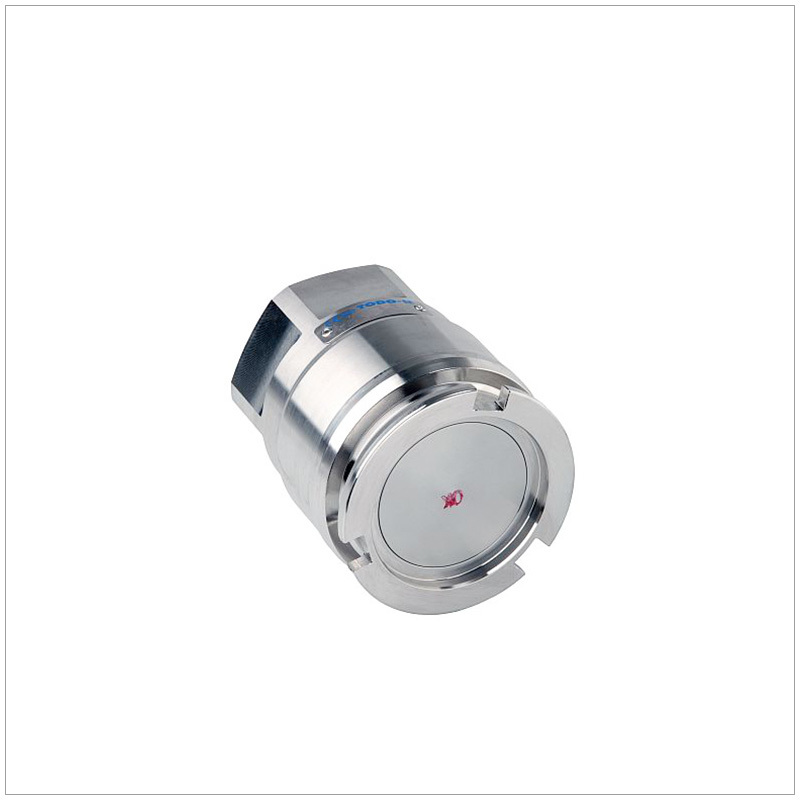
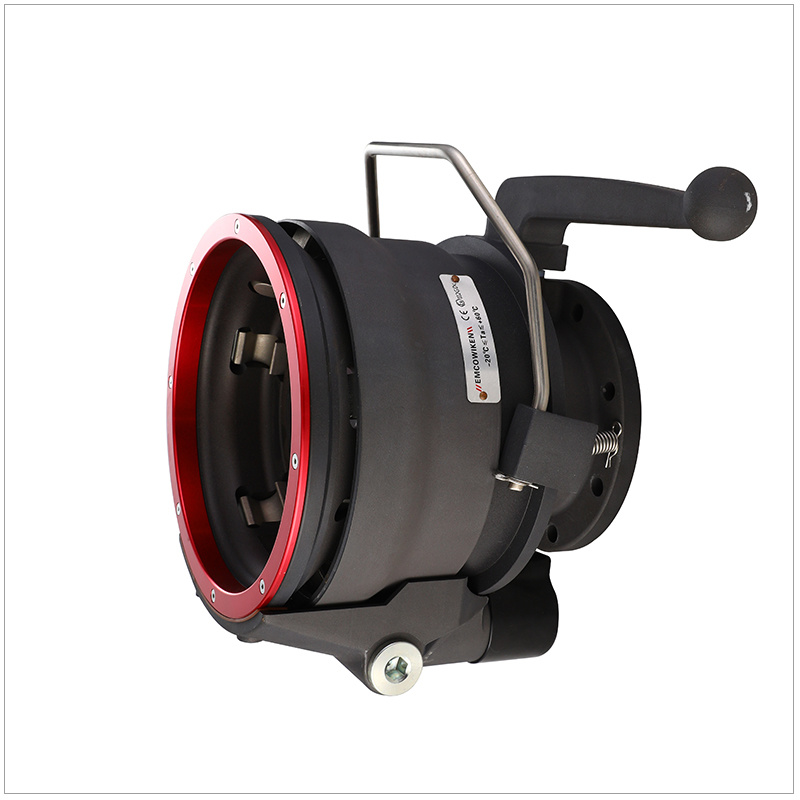
Oil gas recovery connectors are specialized fittings used to join pipelines or equipment in the oil and gas industry, enabling the safe transfer of hydrocarbons.
8.2 How can I identify a leak in a connector?
Visual inspection, pressure testing, and the use of leak detection fluids can help identify leaks in connectors.
8.3 What materials are best for oil gas recovery connectors?
Materials such as stainless steel and high-grade plastics are commonly used for their resistance to corrosion and wear.
8.4 How often should connectors be inspected?
Connectors should be inspected regularly, ideally every six months, or more frequently in harsh environments.
8.5 Can I repair a damaged connector?
In some cases, connectors can be repaired by replacing seals or components. However, if the damage is extensive, replacement may be necessary.
9. Conclusion
Troubleshooting common issues with oil gas recovery connectors is essential for maintaining efficient and safe operations in the oil and gas industry. By understanding the common problems, their causes, and implementing effective troubleshooting and maintenance strategies, we can ensure these vital components function optimally. Regular inspections, quality materials, and adherence to best practices will help mitigate risks and prolong the life of your connectors, ultimately supporting the success of your operations.
Recommended Reading



Guangdong Taien Fluid Control Equipment Co., Ltd. is a professional manufacturer and supplier of fluid transmission equipment, focusing on various types of gas stations, chemical plants, oil refineries for more than 20 years It is a state-level high-tech enterprise that provides high-quality complete sets of equipment and surrounding safety and environmental protection facilities.


Product Series
Contact us
+86-020-34008936
Unit 3314, No 1020 Xingangdong Road, Haizhu, Guangzhou China.

Mobile Website
