
The Role of Marine Hose in Enhancing Durability and Performance
Release time:
2025-01-07
Author:
Source:
Abstract
The Role of Marine Hose in Enhancing Durability and Performance
Table of Contents
Introduction to Marine Hoses
What Are Marine Hoses?
The Importance of Marine Hoses in Marine Applications
Materials Used in Marine Hoses
Benefits of Using High-Quality Marine Hoses
Types of Marine Hoses and Their Applications
Proper Installation and Maintenance of Marine Hoses
Marine Hose Performance
The Role of Marine Hose in Enhancing Durability and Performance
Table of Contents
- Introduction to Marine Hoses
- What Are Marine Hoses?
- The Importance of Marine Hoses in Marine Applications
- Materials Used in Marine Hoses
- Benefits of Using High-Quality Marine Hoses
- Types of Marine Hoses and Their Applications
- Proper Installation and Maintenance of Marine Hoses
- Marine Hose Performance Testing and Standards
- Frequently Asked Questions
- Conclusion
Introduction to Marine Hoses
In the vast and demanding world of marine operations, the **durability** and **performance** of equipment are paramount. Marine hoses play a critical role in ensuring the safe and efficient operation of various systems onboard vessels. These specialized hoses are designed to withstand the unique challenges of marine environments, including exposure to harsh weather conditions, saltwater, and high pressures. In this article, we will explore the essential features and benefits of marine hoses and how they contribute to enhanced performance and durability in marine applications.
What Are Marine Hoses?
Marine hoses are flexible tubes specifically engineered for use in marine environments. They are utilized to transport fluids such as water, fuel, oil, and chemicals in various applications, including shipbuilding, offshore drilling, and marine transportation. Unlike standard hoses, marine hoses are constructed to meet stringent safety and performance standards, ensuring they can endure the rigors of marine operations.
The Importance of Marine Hoses in Marine Applications
The significance of marine hoses extends beyond merely transporting fluids. They serve several vital functions that enhance overall **operational efficiency** and **safety**.
1. **Fluid Transfer**: Marine hoses facilitate the transfer of essential fluids, contributing to the overall functionality of marine vessels.
2. **Pressure and Temperature Resistance**: Designed to handle high pressures and varying temperatures, marine hoses ensure that fluid systems operate optimally without leaks or failures.
3. **Safety Features**: Many marine hoses come with built-in safety features, such as fire resistance and anti-static properties, essential for preventing accidents in hazardous environments.
4. **Regulatory Compliance**: Utilizing marine hoses that meet industry standards ensures compliance with regulatory requirements, which is crucial for marine operations.
Materials Used in Marine Hoses
The choice of materials is crucial in the manufacturing of marine hoses. High-performance marine hoses are constructed from a variety of materials, including:
1. **Rubber**: Often used for its flexibility and resistance to abrasion, rubber is a common material for marine hoses, particularly for general fluid transfer.
2. **PVC**: Polyvinyl chloride (PVC) hoses are lightweight and resistant to chemicals, making them suitable for specific marine applications.
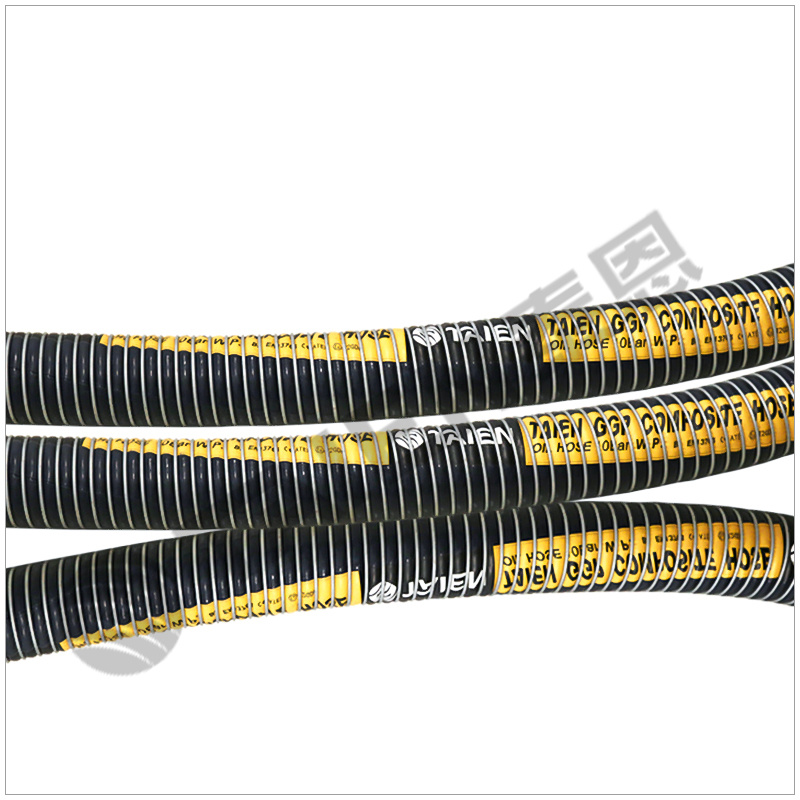
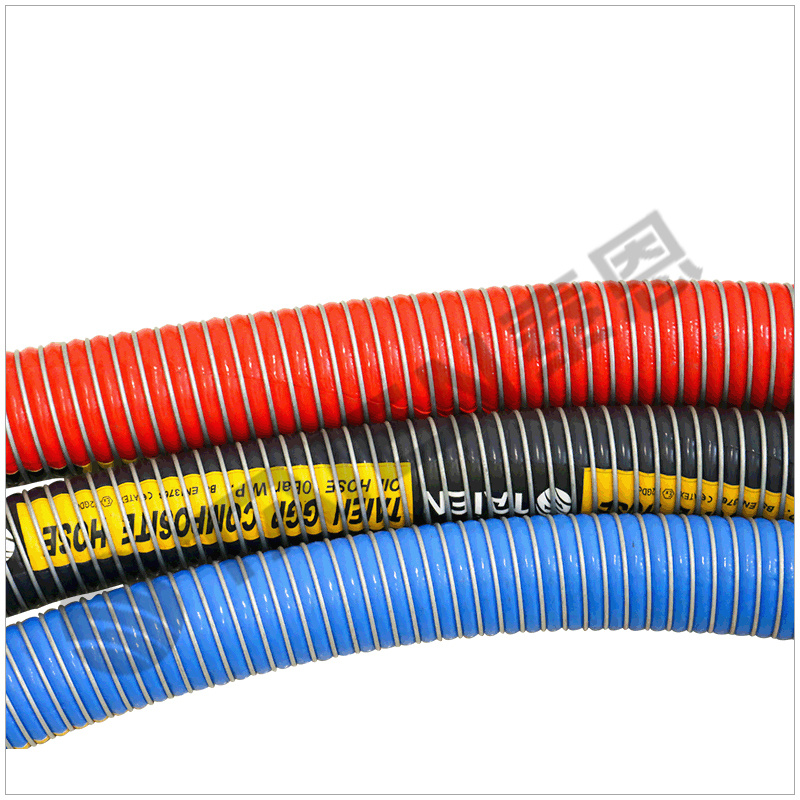
3. **Composite Materials**: These hoses combine multiple materials to enhance performance characteristics, such as strength, flexibility, and resistance to environmental factors.
4. **Stainless Steel Reinforcement**: Some marine hoses are reinforced with stainless steel for added structural integrity, especially in high-pressure applications.
Benefits of Using High-Quality Marine Hoses
Investing in high-quality marine hoses offers numerous advantages for marine operations. These benefits include:
1. **Enhanced Durability**: Premium marine hoses are designed to withstand the harsh marine environment, reducing the likelihood of wear and tear.
2. **Increased Performance**: High-performance hoses contribute to better fluid flow, minimizing pressure loss and improving system efficiency.
3. **Longer Lifespan**: Quality marine hoses typically have a longer lifespan than standard hoses, resulting in lower replacement costs and reduced downtime.
4. **Improved Safety**: With better resistance to environmental factors and high pressure, high-quality marine hoses enhance the overall safety of marine operations.
Types of Marine Hoses and Their Applications
Marine hoses come in various types, each designed for specific applications. Understanding these types can aid in selecting the right hose for your needs:
1. Fuel Hoses
Fuel hoses are designed for transporting fuel oil and are typically reinforced to handle high pressures. Their construction ensures minimal fuel loss and leak prevention, which is critical for both efficiency and safety.
2. Water Hoses
Used for fresh or seawater, water hoses are often found in marine cooling systems and for bilge pumping. They must be flexible yet strong enough to resist abrasion and environmental damage.
3. Oil Transfer Hoses
These hoses are specifically engineered for oil transfer applications. They are designed to withstand exposure to oil and other hydrocarbons, ensuring safe and efficient fluid transfer.
4. Chemical Hoses
Chemical hoses are formulated to handle various chemicals safely. Their resistance to corrosion and degradation makes them essential for transporting hazardous substances.
5. Dredging Hoses
Dredging hoses are robust and designed to manage the physical stresses associated with dredging operations. They are reinforced with high-strength materials to handle abrasive materials like sand and gravel.
Proper Installation and Maintenance of Marine Hoses
To ensure optimal performance and longevity, proper installation and maintenance of marine hoses are essential. Here are some key practices:
1. Correct Installation Techniques
Ensure hoses are installed according to manufacturer specifications, with appropriate fittings and connections to prevent leaks and pressure loss.
2. Regular Inspections
Routine inspections can help identify wear and tear before they lead to failures. Look for signs of abrasions, cracks, or leaks.
3. Cleaning and Storage
Keep hoses clean and properly stored when not in use to prevent damage from environmental factors. Avoid exposure to direct sunlight for prolonged periods.
Marine Hose Performance Testing and Standards
Performance testing is crucial in ensuring that marine hoses meet industry standards. Various testing methods are employed, including:
1. **Pressure Testing**: Hoses are subjected to high-pressure tests to ensure they can withstand the operational pressures they will encounter.
2. **Flexibility Testing**: This tests the hose's ability to bend without cracking, crucial for applications requiring movement or installation in tight spaces.
3. **Chemical Resistance Testing**: Hoses are exposed to various chemicals to ensure they won’t degrade during use.
By adhering to established performance standards, manufacturers ensure the reliability and safety of marine hoses.
Frequently Asked Questions
1. What is the lifespan of a marine hose?
The lifespan of a marine hose can vary depending on its quality, application, and environmental conditions. However, high-quality marine hoses can last several years with proper maintenance.
2. How often should marine hoses be inspected?
Marine hoses should be inspected regularly, ideally at least once a month, or more frequently in harsh operating conditions.
3. Can marine hoses be repaired?
In some cases, marine hoses can be repaired, but it is often advisable to replace them to ensure safety and performance.
4. What factors affect the performance of marine hoses?
Factors such as pressure, temperature, fluid type, and environmental conditions can significantly influence the performance of marine hoses.
5. Are all marine hoses the same?
No, marine hoses vary in design, material, and application. It is essential to choose the right type of hose for specific marine applications to ensure safety and efficiency.
Conclusion
In conclusion, marine hoses are integral to the durability and performance of marine operations. Their specialized design and construction allow them to withstand the unique challenges posed by the marine environment, ensuring safe and efficient fluid transfer. By understanding the various types of marine hoses, their benefits, and the importance of proper installation and maintenance, marine operators can enhance the reliability and longevity of their systems. Investing in high-quality marine hoses not only contributes to operational efficiency but also ensures compliance with safety standards, making them a crucial component in the marine industry.
Recommended Reading



Guangdong Taien Fluid Control Equipment Co., Ltd. is a professional manufacturer and supplier of fluid transmission equipment, focusing on various types of gas stations, chemical plants, oil refineries for more than 20 years It is a state-level high-tech enterprise that provides high-quality complete sets of equipment and surrounding safety and environmental protection facilities.


Product Series
Contact us
+86-020-34008936
Unit 3314, No 1020 Xingangdong Road, Haizhu, Guangzhou China.

Mobile Website
