
Understanding Pressure Ratings for Discharge Hoses: A Comprehensive Guide
Release time:
2025-01-18
Author:
Source:
Abstract
Understanding Pressure Ratings for Discharge Hoses: A Comprehensive Guide
Table of Contents
Introduction to Pressure Ratings in Discharge Hoses
What Are Discharge Hoses?
The Importance of Pressure Ratings
How Pressure Ratings Are Measured
Factors Affecting Pressure Ratings
Types of Pressure Ratings for Discharge Hoses
Applications of Discharge Hoses
Safety Considerations When Usin
Understanding Pressure Ratings for Discharge Hoses: A Comprehensive Guide
Table of Contents
- Introduction to Pressure Ratings in Discharge Hoses
- What Are Discharge Hoses?
- The Importance of Pressure Ratings
- How Pressure Ratings Are Measured
- Factors Affecting Pressure Ratings
- Types of Pressure Ratings for Discharge Hoses
- Applications of Discharge Hoses
- Safety Considerations When Using Discharge Hoses
- Maintenance and Care for Discharge Hoses
- Conclusion
- FAQs About Pressure Ratings for Discharge Hoses
Introduction to Pressure Ratings in Discharge Hoses
Understanding pressure ratings is crucial for selecting the appropriate discharge hoses for various applications. A discharge hose is essential in transporting fluids, ensuring that they move smoothly from one location to another. The pressure rating indicates the maximum pressure the hose can handle without failure, which is vital for maintaining safety and efficiency in operations.
What Are Discharge Hoses?
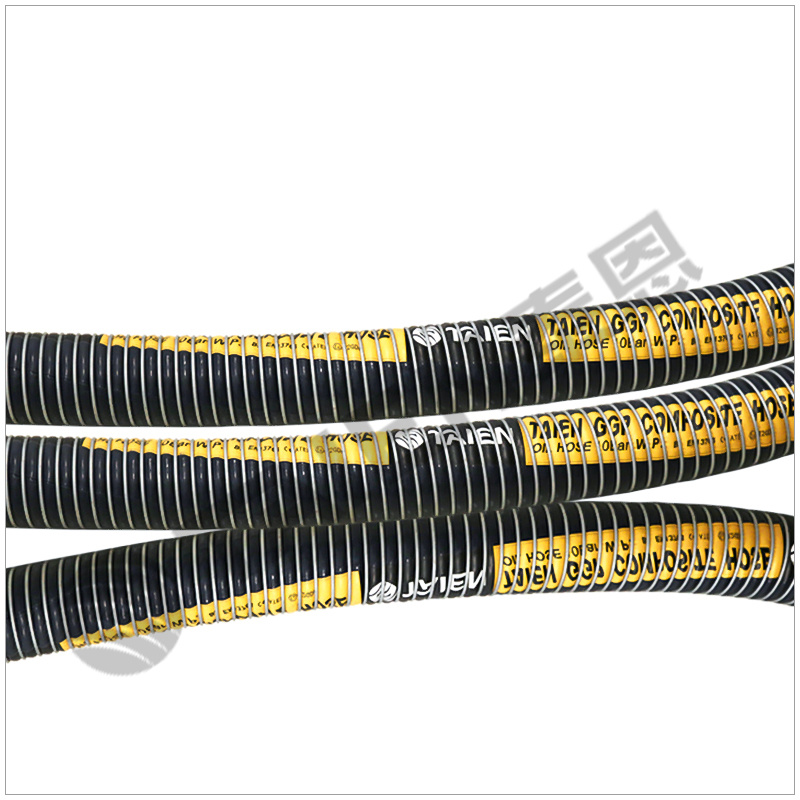
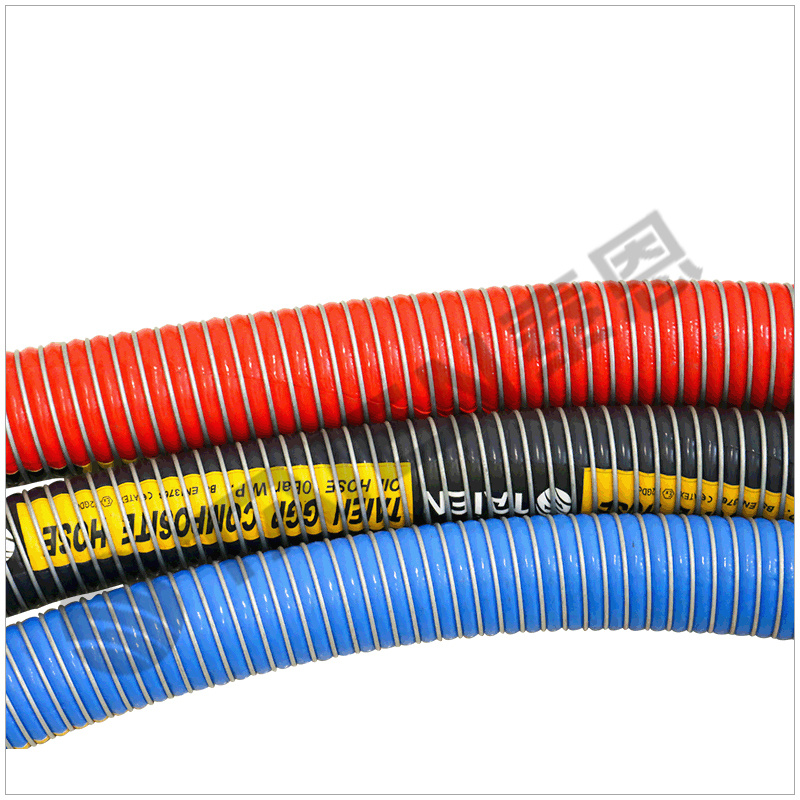
Discharge hoses are flexible tubes designed specifically for transferring liquids, slurries, and gases under pressure. These hoses are commonly used in various industries, including agriculture, construction, and manufacturing. Their construction varies based on the intended application, with different materials and designs providing unique properties suited for specific environments.
The Importance of Pressure Ratings
Pressure ratings are essential for several reasons:
1. **Safety**: Understanding the pressure rating helps prevent dangerous hose failures, which can lead to spills or explosions.
2. **Performance**: Choosing the right hose with an appropriate pressure rating ensures optimal performance in fluid transfer.
3. **Longevity**: Hoses rated for the correct pressure are less likely to wear out prematurely, saving costs on replacements.
Choosing a discharge hose with the correct pressure rating tailored to its application is vital for maintaining operational integrity.
How Pressure Ratings Are Measured
Pressure ratings are typically expressed in pounds per square inch (PSI) or bar. Testing methods include burst testing and working pressure testing:
- **Burst Testing**: This involves subjecting the hose to increasing pressure until it fails. The maximum pressure achieved during testing establishes the burst pressure rating.
- **Working Pressure Testing**: This tests the hose under normal operating conditions to determine the maximum safe working pressure, which should be significantly lower than the burst pressure to ensure safety.
Understanding these testing methods is essential for making informed decisions when selecting hoses.
Factors Affecting Pressure Ratings
Several factors can influence the pressure ratings of discharge hoses:
1. **Material Composition**: Different materials possess varying strength levels. Common hose materials include rubber, PVC, and polyurethane, each with distinct durability and flexibility characteristics.
2. **Temperature**: High temperatures can weaken hose materials, reducing their pressure ratings. It’s crucial to consider the temperature of the fluid being transported.
3. **Diameter**: The diameter of the hose affects flow rate and pressure. Larger hoses can handle more fluid but may also have lower pressure ratings due to increased surface area.
4. **Age and Wear**: Over time, hoses can degrade due to environmental exposure, leading to reduced pressure ratings. Regular inspections are essential.
By understanding these factors, users can better select hoses that meet their needs.
Types of Pressure Ratings for Discharge Hoses
Discharge hoses can be classified based on various pressure ratings:
1. **Low-Pressure Hoses**: Typically rated up to 150 PSI, these hoses are suitable for less demanding applications.
2. **Medium-Pressure Hoses**: Rated between 150 and 300 PSI, these hoses are ideal for moderate pressure applications, such as irrigation.
3. **High-Pressure Hoses**: Rated above 300 PSI, these hoses are designed for heavy-duty applications in industries such as construction and oil extraction.
Understanding the differences between these types allows users to choose the correct discharge hose for their specific applications.
Applications of Discharge Hoses
Discharge hoses have a wide range of applications across various sectors:
- **Agriculture**: Used for transferring water, fertilizers, and pesticides.
- **Construction**: Critical for pumping water out of excavations or transferring concrete.
- **Industrial**: Commonly found in manufacturing plants for fluid transfer in various processes.
Identifying the right discharge hose for specific applications enhances efficiency and safety.
Safety Considerations When Using Discharge Hoses
Safety is paramount when using discharge hoses. Here are key considerations:
1. **Regular Inspections**: Inspect hoses regularly for signs of wear, leaks, or damage. Replace hoses that show signs of degradation.
2. **Appropriate Usage**: Ensure hoses are rated for the specific fluids and pressure conditions they will encounter.
3. **Proper Storage**: Store hoses in a clean, dry area to prevent environmental damage. Avoid exposing hoses to extreme temperatures or direct sunlight.
4. **Training**: Ensure all personnel handling discharge hoses are adequately trained in their use and safety protocols.
By adhering to these safety measures, users can minimize risks and enhance operational reliability.
Maintenance and Care for Discharge Hoses
Proper maintenance is essential for extending the life of discharge hoses:
1. **Cleaning**: Regularly clean hoses to remove any residue that could affect performance or lead to degradation.
2. **Storage**: Coiling hoses properly during storage minimizes kinks and damage.
3. **Pressure Testing**: Periodically perform pressure tests to verify the integrity of the hose.
4. **Replacement**: Be proactive about replacing hoses that have reached the end of their service life to prevent failures.
Implementing these maintenance practices ensures the longevity and safety of discharge hoses.
Conclusion
Understanding pressure ratings for discharge hoses is crucial for ensuring safety, performance, and longevity in various applications. By familiarizing ourselves with the factors that influence these ratings, the types of hoses available, and proper maintenance techniques, we can make informed decisions that enhance operational efficiency. Selecting the right discharge hose with the appropriate pressure rating ultimately protects both personnel and property.
FAQs About Pressure Ratings for Discharge Hoses
1. What is the difference between burst pressure and working pressure?
The burst pressure is the maximum pressure a hose can withstand before failure, while the working pressure is the maximum safe pressure for regular use. Always use hoses within their working pressure limits.
2. How can I determine the right pressure rating for my application?
Consider factors such as the type of fluid being transported, the temperature, and the specific pressure requirements of your operation to choose the appropriate pressure rating.
3. What materials are commonly used for discharge hoses?
Common materials include rubber, PVC, and polyurethane, each with different properties suited for various applications.
4. How often should discharge hoses be inspected?
It is recommended to inspect hoses at least once a month, or more often if they are used in demanding conditions.
5. Can I use a low-pressure hose for high-pressure applications?
No, using a low-pressure hose in high-pressure applications can lead to failures and pose safety risks. Always use hoses rated for the specific pressure conditions of your operation.
Recommended Reading



Guangdong Taien Fluid Control Equipment Co., Ltd. is a professional manufacturer and supplier of fluid transmission equipment, focusing on various types of gas stations, chemical plants, oil refineries for more than 20 years It is a state-level high-tech enterprise that provides high-quality complete sets of equipment and surrounding safety and environmental protection facilities.


Product Series
Contact us
+86-020-34008936
Unit 3314, No 1020 Xingangdong Road, Haizhu, Guangzhou China.

Mobile Website
