
Identifying Signs of Wear and Tear in Industrial Hoses: A Comprehensive Guide for Optimal Performance
Release time:
2025-03-14
Author:
Source:
Abstract
Identifying Signs of Wear and Tear in Industrial Hoses
Introduction: Importance of Monitoring Industrial Hoses
In various industrial settings, pneumatic components, including industrial hoses, play a vital role in the efficient operation of machinery and systems. Regular monitoring and identification of wear and tear in these hoses is crucial for ensuring safety and maintaining productivity. Negle
Identifying Signs of Wear and Tear in Industrial Hoses
Introduction: Importance of Monitoring Industrial Hoses
In various industrial settings, pneumatic components, including industrial hoses, play a vital role in the efficient operation of machinery and systems. Regular monitoring and identification of wear and tear in these hoses is crucial for ensuring safety and maintaining productivity. Neglecting hose maintenance can lead to leaks, equipment failure, and even workplace accidents.
The Lifespan of Industrial Hoses: Factors Affecting Durability
Understanding the factors that influence the lifespan of industrial hoses can help in identifying signs of wear and tear early. Several elements contribute to hose degradation, including:
Material Composition
Different hoses are made from various materials including rubber, polyurethane, and PVC. Each material has its own resistance to abrasion, heat, and chemicals, which can significantly affect its durability.
Environment
Exposure to harsh environmental conditions such as extreme temperatures, UV radiation, and chemicals can accelerate the wear and tear of hoses. Identifying the environment in which a hose operates is essential for proper selection and maintenance.
Pressure and Flow Rate
Hoses subjected to higher pressure and flow rates tend to wear out more quickly. It’s essential to monitor these variables to avoid premature failure.
Common Signs of Wear and Tear in Industrial Hoses
Recognizing the early signs of hose deterioration can prevent unexpected equipment failures and ensure smooth operations. Here are some prominent indicators:
1. Visible Cracks and Cuts
Inspecting hoses regularly for visible cracks or cuts is one of the most straightforward ways to identify wear. These imperfections can lead to leaks, which can compromise the safety of the entire system.
2. Discoloration
Changes in color often indicate chemical degradation or UV damage. If a hose appears faded or has developed unusual color patterns, it may be time to replace it.
3. Swelling and Bulging
Swelling is often a sign of internal damage or overexposure to pressure. Bulging hoses can burst unexpectedly, leading to hazardous situations.
4. Hardness or Softness
Hoses should maintain a consistent feel. A hard, brittle texture indicates aging, while excessive softness may indicate material breakdown. Both conditions can compromise performance.
5. Leaking Fluids
Any sign of fluid leakage is a clear indicator of hose failure. Quick detection and replacement can prevent further damage to the system and reduced operational efficiency.
Preventative Maintenance Strategies for Industrial Hoses
Implementing effective maintenance strategies can significantly extend the lifespan of industrial hoses. Here are several tactics:
1. Regular Inspections
Conducting regular visual inspections can help identify wear and tear before it becomes a significant issue. Establish a routine maintenance schedule and adhere to it.
2. Proper Storage Practices
Hoses should be stored in a manner that prevents kinks, twists, or exposure to harmful conditions. Using hose reels or protective coverings can help maintain their integrity.
3. Pressure Monitoring
Installing pressure gauges can provide real-time data on hose performance. Monitoring pressure levels can alert you to potential issues before they escalate.
4. Employee Training
Training employees on how to handle hoses properly and identify early signs of wear can create a culture of safety and proactive maintenance.
5. Replacement Planning
Establishing a replacement plan based on the average lifespan of hoses in your operation can help mitigate the risk of unexpected failures.
Choosing the Right Replacement Hoses
When the time comes to replace worn-out hoses, selecting the right ones is crucial. Consider the following factors:
1. Application Requirements
Understand the specific requirements of your application, including pressure, temperature, and fluid compatibility. This knowledge will guide you in selecting the appropriate hose material and design.
2. Quality and Standards
Always opt for hoses that meet industry standards and have a reputation for quality. Investing in high-quality hoses can save money in the long run by reducing maintenance costs and downtime.
3. Supplier Reputation
Choose a reputable supplier who understands your industry needs. They can provide valuable insights and recommendations tailored to your specific applications.
Conclusion: Ensuring Safety and Efficiency Through Proactive Hose Management
Identifying signs of wear and tear in industrial hoses is not merely an operational task; it is a critical aspect of maintaining safety and efficiency in any industrial environment. By regularly inspecting hoses, implementing preventative maintenance strategies, and selecting high-quality replacements, we can significantly reduce the risk of failure while boosting productivity. With a commitment to proactive hose management, industries can ensure smooth operations and safeguard the well-being of their workforce and equipment.
Frequently Asked Questions (FAQs)
1. How often should industrial hoses be inspected?
Regular inspections should be conducted at least once a month, although more frequent checks may be necessary depending on the environment and usage.
2. What materials are best for industrial hoses?
The best materials depend on the specific application but commonly used materials include rubber, polyethylene, and polyurethane for their durability and flexibility.
3. Can I repair a damaged industrial hose?
Minor damages such as small cuts can sometimes be repaired, but in most cases, replacement is recommended to ensure safety and reliability.
4. What should I do if I find a leak in my hose?
Immediately stop using the equipment and inspect the hose. If a leak is detected, replace the hose before resuming operations.
5. What is the average lifespan of industrial hoses?
The average lifespan can vary widely based on usage and environmental conditions, typically ranging from 1 to 10 years. Regular monitoring is essential for accurate assessment.
Recommended Reading

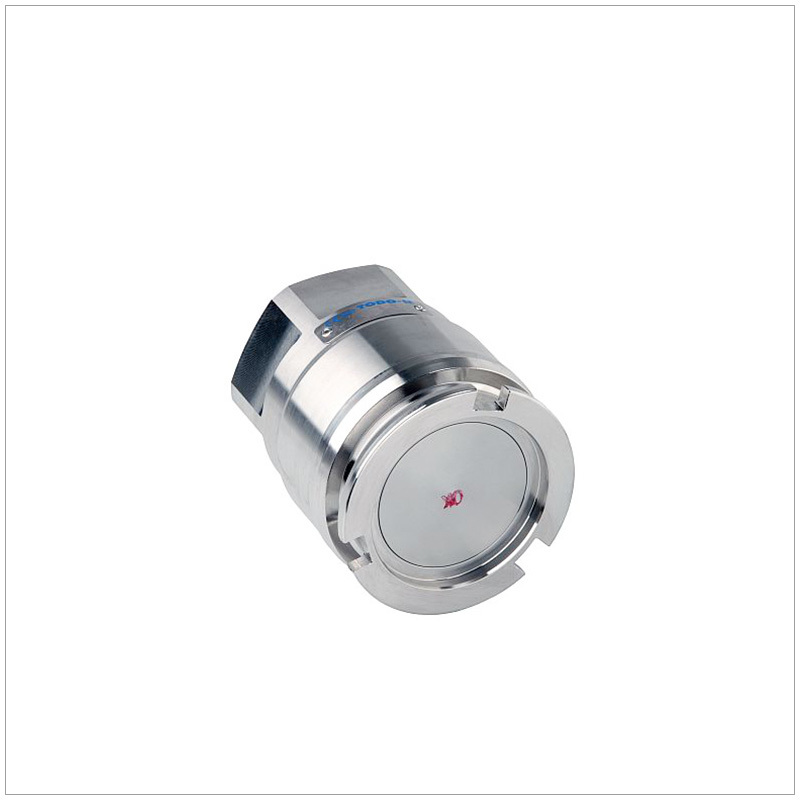
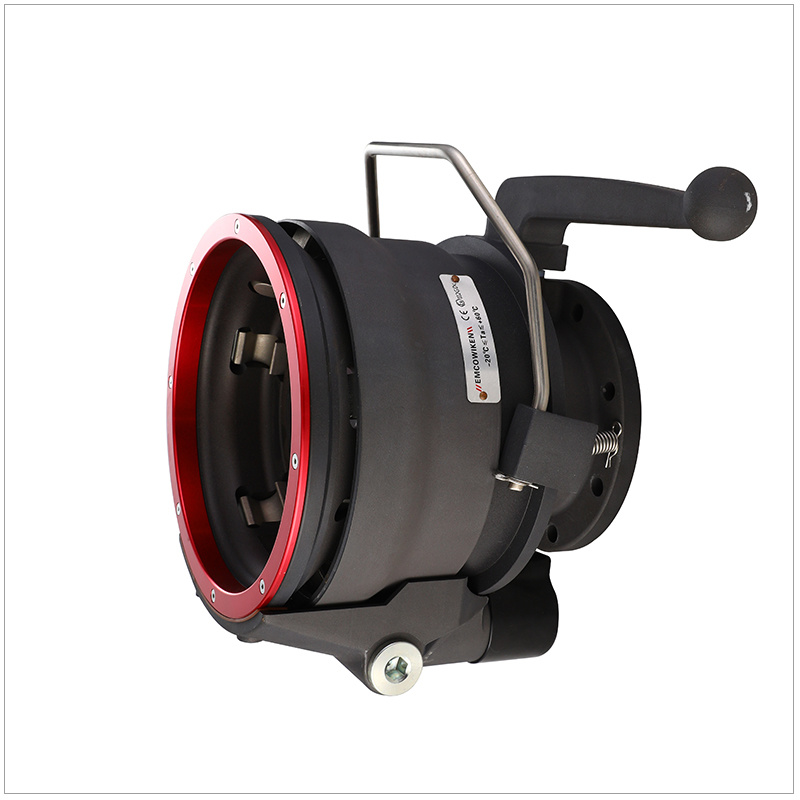

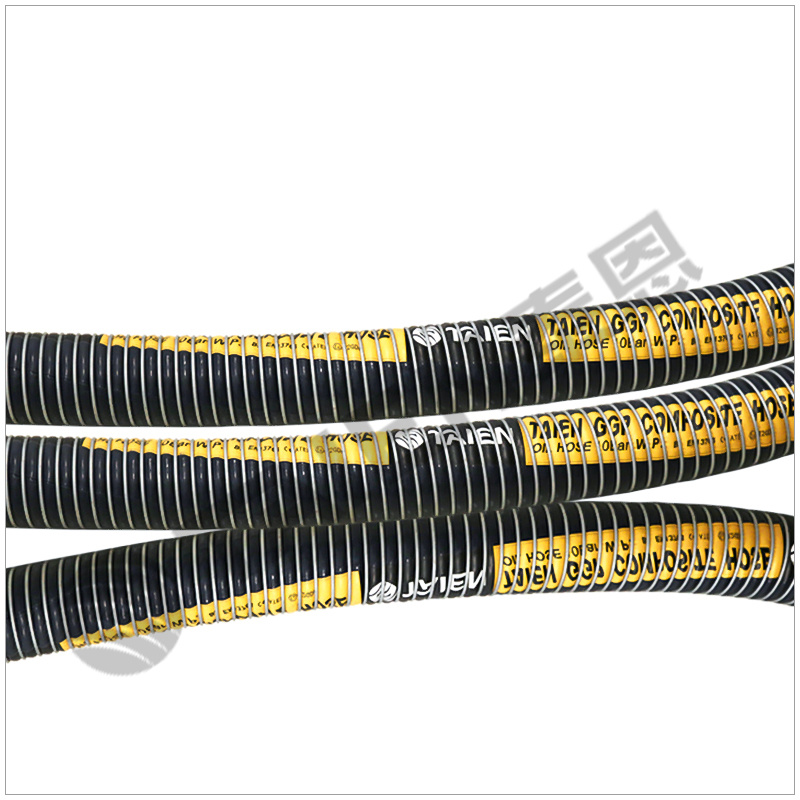
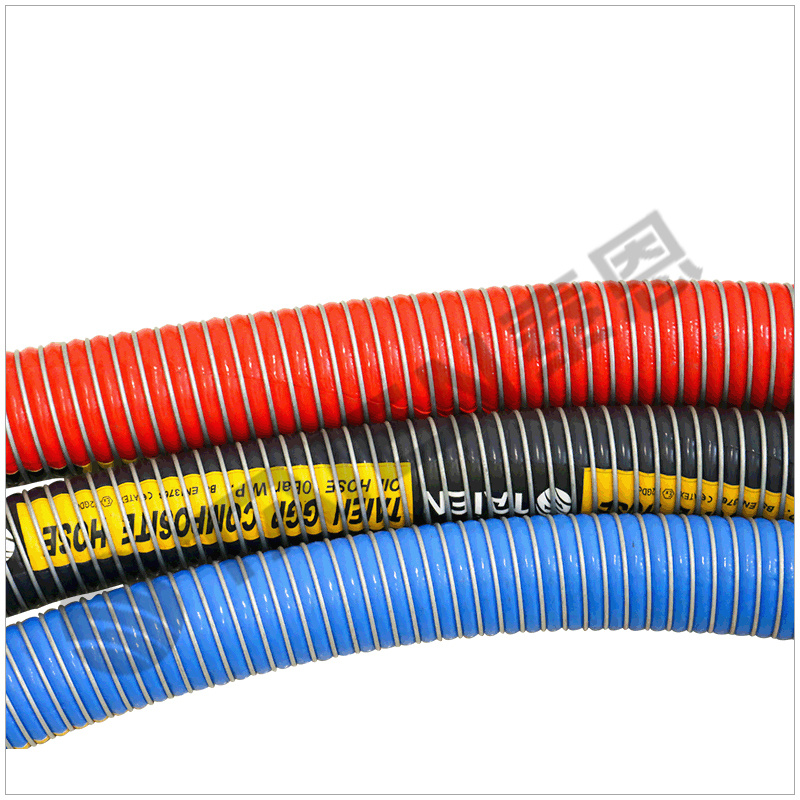

Guangdong Taien Fluid Control Equipment Co., Ltd. is a professional manufacturer and supplier of fluid transmission equipment, focusing on various types of gas stations, chemical plants, oil refineries for more than 20 years It is a state-level high-tech enterprise that provides high-quality complete sets of equipment and surrounding safety and environmental protection facilities.


Product Series
Contact us
+86-020-34008936
Unit 3314, No 1020 Xingangdong Road, Haizhu, Guangzhou China.

Mobile Website
