
Can Your Discharge Hose Handle Extreme Temperatures? Essential Insights for Optimal Performance
Release time:
2025-04-08
Author:
Source:
Abstract
Can Your Discharge Hose Handle Extreme Temperatures?
When working in industrial or agricultural settings, the reliability of equipment is paramount, especially when it comes to **discharge hoses**. A discharge hose's ability to handle extreme temperatures can significantly influence its performance and lifespan. This article aims to provide detailed insights into what factors affect a discharge ho
Can Your Discharge Hose Handle Extreme Temperatures?
When working in industrial or agricultural settings, the reliability of equipment is paramount, especially when it comes to **discharge hoses**. A discharge hose's ability to handle extreme temperatures can significantly influence its performance and lifespan. This article aims to provide detailed insights into what factors affect a discharge hose's temperature resilience and how to choose the right hose for your specific needs.
Understanding Discharge Hoses: A Brief Overview
Discharge hoses are essential components in various applications, including water transfer, chemical handling, and pneumatic systems. They transport fluids and gases from one location to another and must withstand pressure, abrasion, and thermal stress.
Types of Discharge Hoses and Their Applications
There are several types of discharge hoses, each designed for specific applications. Here are a few common types:
1. **Rubber Discharge Hoses**: Known for their flexibility and resistance to abrasion, rubber hoses are widely utilized in agricultural and construction applications.
2. **PVC Discharge Hoses**: Lightweight and resistant to various chemicals, PVC hoses are ideal for less demanding tasks.
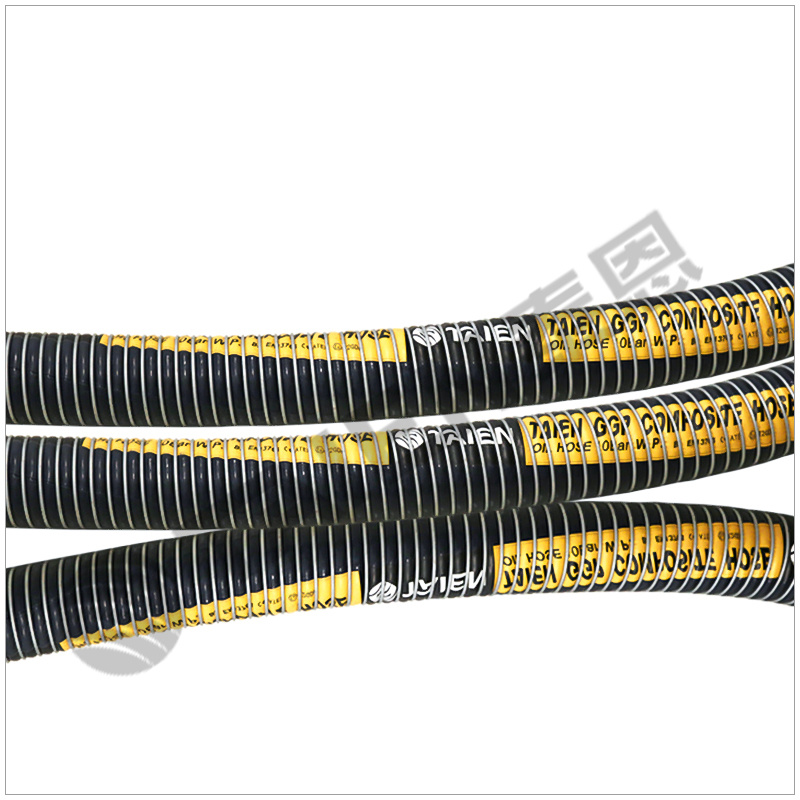
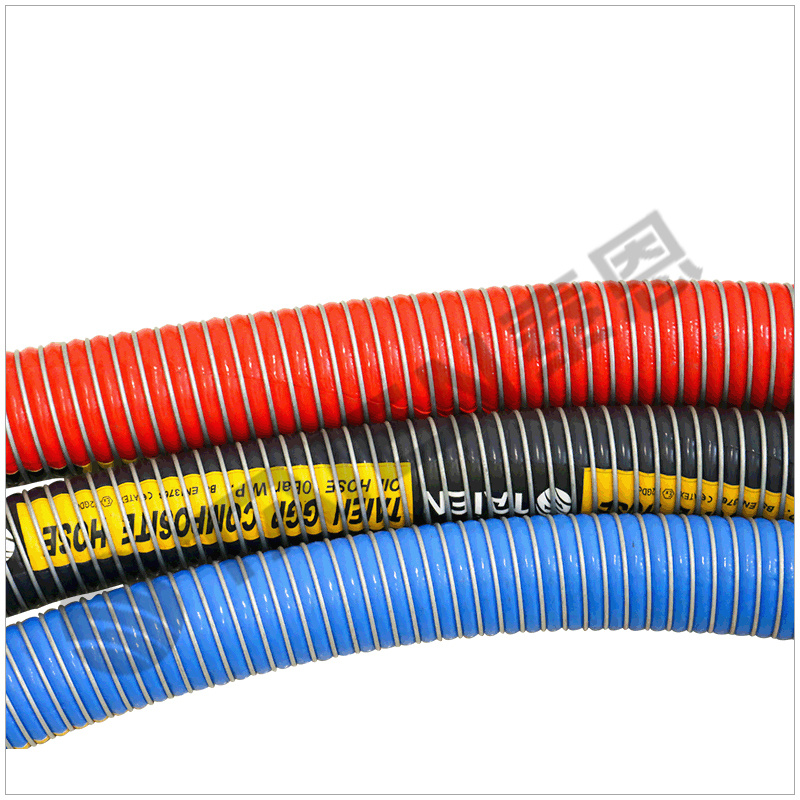
3. **Composite Discharge Hoses**: Combining various materials, composite hoses can handle multiple chemicals and temperature ranges.
4. **Metallic Discharge Hoses**: These are used in high-temperature applications, often in the automotive industry.
The Importance of Temperature Tolerance
Temperature tolerance is a crucial factor in selecting the right discharge hose. Operating in extreme temperature conditions can lead to hose failure, which may cause leaks, spills, or even hazardous situations. Understanding the temperature range that a discharge hose can handle is vital for safe and efficient operation.
Factors Affecting Temperature Resistance in Discharge Hoses
Several factors influence a discharge hose's ability to withstand extreme temperatures. Here are the most significant:
Material Composition
The materials used in manufacturing discharge hoses play a pivotal role in temperature resistance. For example:
- **Natural Rubber**: Tolerates temperatures up to 180°F (82°C) but may degrade in extreme cold.
- **Synthetic Rubber**: Offers improved temperature resilience, capable of withstanding temperatures between -40°F (-40°C) and 212°F (100°C).
- **PVC**: Generally suitable for temperatures up to 140°F (60°C) but can become brittle in cold temperatures.
- **Metal Alloys**: Ideal for high-temperature applications, these hoses can withstand temperatures exceeding 500°F (260°C).
Construction Quality
A well-constructed discharge hose will have reinforced layers that enhance its durability and temperature resistance. The number of plies and the quality of the adhesive used in bonding layers can significantly affect performance.
Operating Environment
The environment in which the discharge hose operates can impact its temperature tolerance. Hoses exposed to direct sunlight may heat up more quickly, while those submerged in cold water may experience thermal shock.
Fluid Type
The type of fluid passing through the hose can also affect temperature resistance. For example, fluids that generate heat during transfer may require hoses designed for higher temperature thresholds.
Choosing the Right Discharge Hose for Extreme Temperatures
When selecting a discharge hose capable of handling extreme temperatures, consider the following steps:
1. Assess Your Application Needs
Evaluating your specific application requirements is crucial. Consider the following questions:
- What temperature range will the hose experience?
- What type of fluids will it transport?
- What is the maximum pressure it must withstand?
2. Material Selection
Choose a material that aligns with your application's temperature and chemical requirements. For high-temperature applications, **metallic hoses** are often the best option, while **synthetic rubber** is suitable for moderate extremes.
3. Evaluate Hose Dimensions
Ensure the hose's diameter and length are appropriate for your system. A hose that is too long or narrow can create pressure drops, leading to inefficiencies.
4. Review Manufacturer Specifications
Always refer to the manufacturer's specifications to understand the hose's temperature range, pressure ratings, and chemical compatibility. This information is critical for ensuring safe operation.
5. Regular Maintenance and Inspection
Once you have selected the appropriate discharge hose, regular maintenance is essential for optimal performance. Inspect hoses for signs of wear, such as cracks, bulges, or discoloration, which may indicate temperature-related degradation.
Common Applications of Discharge Hoses in Extreme Temperatures
Discharge hoses are used in a variety of industries and settings where extreme temperatures are a factor:
Agricultural Applications
In agriculture, discharge hoses transport water, fertilizers, and pesticides. Given the exposure to heat from the sun and the potential for cold temperatures, selecting a hose that can withstand these extremes is vital for maintaining crop health.
Construction Sites
Construction sites often require hoses for transferring concrete, water, and other materials. Hoses handling hot concrete or cold-water applications must be selected carefully to prevent failure.
Industrial Manufacturing
In manufacturing processes, discharge hoses transport chemicals and high-temperature liquids. Choosing a hose that can withstand the specific heat generated during operation is critical to preventing accidents and ensuring efficiency.
Pneumatic Systems
In pneumatic systems, hoses are used to transfer air and other gases. The temperature of the compressed air can rise significantly, necessitating a hose that can handle these temperature increases without compromising integrity.
Frequently Asked Questions
1. What is the maximum temperature a rubber discharge hose can handle?
Rubber discharge hoses generally tolerate temperatures up to 180°F (82°C), though synthetic rubber options may offer higher thresholds.
2. How do I know if my discharge hose is suitable for extreme temperatures?
Consult the manufacturer's specifications to determine the hose's temperature limits and material composition for suitability.
3. Can I use a PVC discharge hose in high-temperature applications?
PVC hoses are typically not recommended for high temperatures exceeding 140°F (60°C) as they can become brittle and degrade.
4. What are the signs of a discharge hose failing due to temperature stress?
Signs include cracks, bulging, discoloration, or leaks, indicating that the hose may be experiencing thermal degradation.
5. How often should I inspect my discharge hose for wear and damage?
Regular inspections should be conducted at least once a month, with more frequent checks if the hose is subjected to extreme conditions.
Conclusion
In conclusion, selecting a discharge hose that can effectively handle extreme temperatures is essential for ensuring the efficiency and safety of your operations. By understanding the factors influencing temperature resistance, assessing your specific application needs, and choosing the right materials and construction quality, you can enhance performance and extend the lifespan of your discharge hoses. Regular maintenance and inspection will further ensure that your hoses remain reliable, even in the most demanding conditions. Make informed choices to keep your operations running smoothly and efficiently.
Recommended Reading



Guangdong Taien Fluid Control Equipment Co., Ltd. is a professional manufacturer and supplier of fluid transmission equipment, focusing on various types of gas stations, chemical plants, oil refineries for more than 20 years It is a state-level high-tech enterprise that provides high-quality complete sets of equipment and surrounding safety and environmental protection facilities.


Product Series
Contact us
+86-020-34008936
Unit 3314, No 1020 Xingangdong Road, Haizhu, Guangzhou China.

Mobile Website
