
Why Choosing the Right Rubber Hose is Crucial for Your Pneumatic System
Release time:
2024-08-24
Author:
Source:
Abstract
Introduction to Pneumatic Systems and Rubber Hoses
Pneumatic systems are integral to various industries, providing efficient solutions for tasks ranging from assembly lines to material handling. At the heart of these systems lies the rubber hose, which serves as a conduit for compressed air. The importance of choosing the right rubber hose cannot be overstated; it directly impacts the system's efficiency, safety, and longevity.
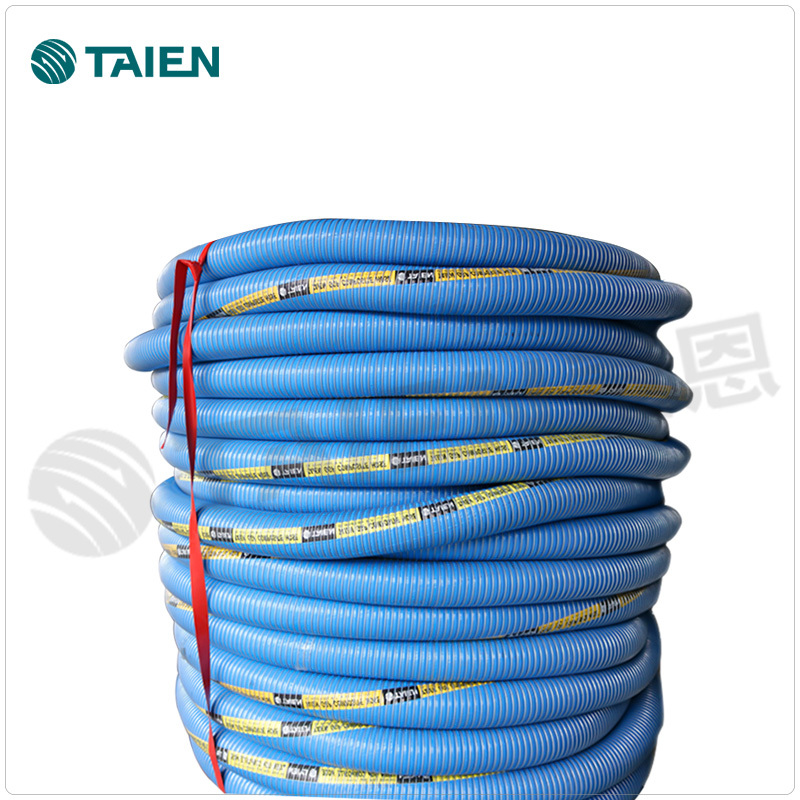
When we consider the amount of pressure and airflow within these systems, the rubber hose's role becomes clear. The right hose not only ensures optimal performance but also minimizes the risk of failures that can lead to costly downtime.
The Importance of Rubber Hoses in Pneumatic Systems
Rubber hoses are indispensable for pneumatic systems due to their flexibility, durability, and resistance to various environmental factors. They allow for the efficient transmission of air while accommodating movement and vibrations within machinery. A **high-quality rubber hose** can enhance the performance of pneumatic tools, ensuring tasks are completed swiftly and effectively.
Moreover, the wrong choice of hose can lead to issues such as leaks, pressure drops, and even catastrophic failures, resulting in safety hazards for operators. Understanding the critical nature of this component is the first step towards a well-functioning pneumatic system.
Types of Rubber Hoses for Pneumatic Applications
In the world of pneumatic systems, several types of rubber hoses are available, each designed for specific applications and conditions. Here, we explore some of the most common types:
1. Standard Rubber Hoses
These are versatile hoses made from standard rubber compounds. They are suitable for general-purpose applications in lower-pressure systems.
2. Reinforced Rubber Hoses
Reinforced rubber hoses contain additional layers of fabric or wire mesh, providing extra strength and durability. They are ideal for high-pressure applications.
3. Oil-Resistant Rubber Hoses
These hoses are specifically designed to withstand exposure to oil and other petroleum products. They are vital for pneumatic systems that operate in challenging environments.
4. High-Temperature Rubber Hoses
For applications involving high-temperature air or gases, these hoses are constructed from specialized materials that can handle extreme conditions without degrading.
Factors to Consider When Choosing a Rubber Hose
Selecting the appropriate rubber hose involves several critical considerations to ensure compatibility with your pneumatic system. Here are the key factors to keep in mind:
Rubber Hose Material
The material of the hose plays a significant role in its performance. Common materials include nitrile, neoprene, and EPDM rubber. Each material has specific properties suitable for different applications, such as oil resistance or temperature tolerance.
Pressure Rating
Understanding the pressure rating of a hose is essential. Every pneumatic system operates at a certain pressure, and the chosen hose must be rated to handle that pressure reliably. Exceeding the pressure limit can lead to hose failure.
Temperature Resistance
The temperature range in which your pneumatic system operates will dictate the type of rubber hose you need. Ensure that the hose material can withstand both the minimum and maximum temperatures to avoid premature degradation.
Size and Diameter
The inner diameter of the hose affects airflow and pressure drop. Selecting the right size is crucial as it ensures that the pneumatic tools receive adequate airflow for optimal performance. Measure the required dimensions carefully before making a choice.
Common Applications and Usage of Rubber Hoses in Pneumatic Systems
Rubber hoses find their applications across various industries, often customized to meet specific needs. Here are some common uses:
1. Manufacturing and Assembly Lines
In manufacturing settings, rubber hoses transport compressed air to power tools, machinery, and assembly lines, improving productivity.
2. Automotive Applications
In the automotive industry, these hoses are used for air tools, tire inflation, and even in painting booths, where consistent air pressure is critical.
3. Construction Sites
Rubber hoses play a vital role in construction, providing air supply to pneumatic equipment such as nail guns and air compressors.
4. Food and Beverage Industry
Specialized rubber hoses are used in food processing applications, where hygiene and the ability to handle various temperatures are paramount.
Maintenance and Care of Rubber Hoses
To prolong the lifespan of your rubber hoses and ensure optimal performance, regular maintenance is essential. Here are some tips:
1. Regular Inspections
Conduct routine inspections to check for signs of wear, cracks, or leaks. Addressing issues early can prevent catastrophic failures.
2. Proper Storage
Store rubber hoses in a cool, dry place away from direct sunlight and extreme temperatures. This helps prevent material degradation.
3. Cleanliness
Keep hoses clean and free from contaminants like oil, dirt, and debris. Use appropriate cleaning solutions that are compatible with the hose material.
4. Avoid Overstretching
When installing rubber hoses, avoid overstretching or kinking them, as this can lead to internal damage and reduced performance.
Frequently Asked Questions
1. What is the lifespan of a rubber hose in a pneumatic system?
The lifespan of a rubber hose can vary based on usage, environment, and maintenance, but typically ranges from 2 to 5 years.
2. Can I use any rubber hose for my pneumatic system?
No, it is crucial to select a hose specifically rated for pneumatic applications to ensure safety and performance.
3. How do I know if my rubber hose is damaged?
Signs of damage can include visible cracks, leaks, or a decrease in performance. Regular inspections will help identify these issues early.
4. Are there specific standards for pneumatic hoses?
Yes, various industry standards exist, such as ISO and SAE specifications, which provide guidelines for hose specifications and performance.
5. Can I repair a damaged rubber hose?
While some small leaks may be repairable with appropriate patches, it is generally safer to replace a damaged hose to maintain system integrity.
Conclusion
Choosing the right rubber hose for your pneumatic system is crucial for ensuring efficiency, safety, and longevity. By understanding the various types of hoses, considering important factors such as material, pressure rating, and size, you can make informed decisions that optimize your system's performance. Regular maintenance further enhances the lifespan of rubber hoses, ensuring that your pneumatic operations run smoothly without interruptions. Investing in the right rubber hose today can lead to significant improvements in your workflows and overall operational efficiency.
Recommended Reading

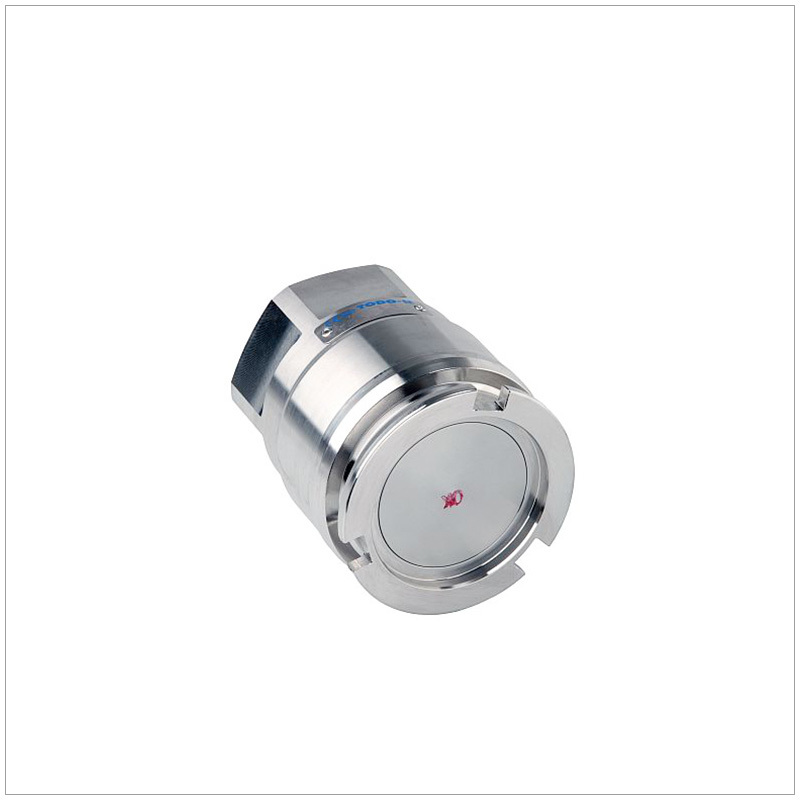
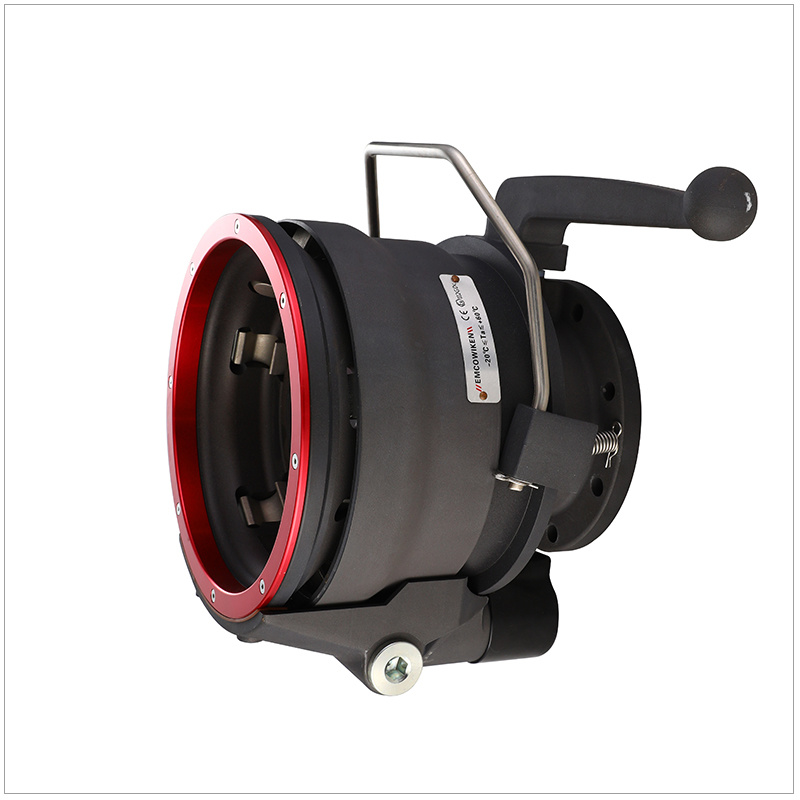

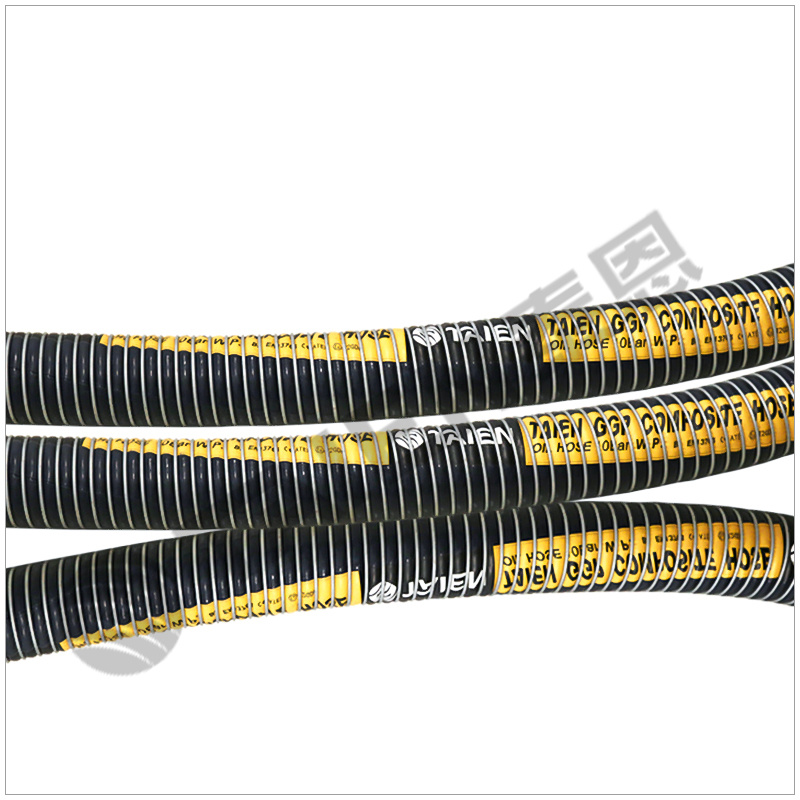

Guangdong Taien Fluid Control Equipment Co., Ltd. is a professional manufacturer and supplier of fluid transmission equipment, focusing on various types of gas stations, chemical plants, oil refineries for more than 20 years It is a state-level high-tech enterprise that provides high-quality complete sets of equipment and surrounding safety and environmental protection facilities.


Product Series
Contact us
+86-020-34008936
Unit 3314, No 1020 Xingangdong Road, Haizhu, Guangzhou China.

Mobile Website
