
Why Composite Hoses Are Revolutionizing Metal Packaging Solutions
Release time:
2024-09-06
Author:
Source:
Abstract
Understanding Composite Hoses in Metal Packaging
Composite hoses are increasingly becoming a game-changer in the metal packaging industry. As businesses strive for innovation and efficiency, these versatile tools are proving to be essential in optimizing metal packaging solutions. In this article, we delve into the specific advantages of composite hoses, their applications, and how they are revolutionizing the way metal packaging operates.
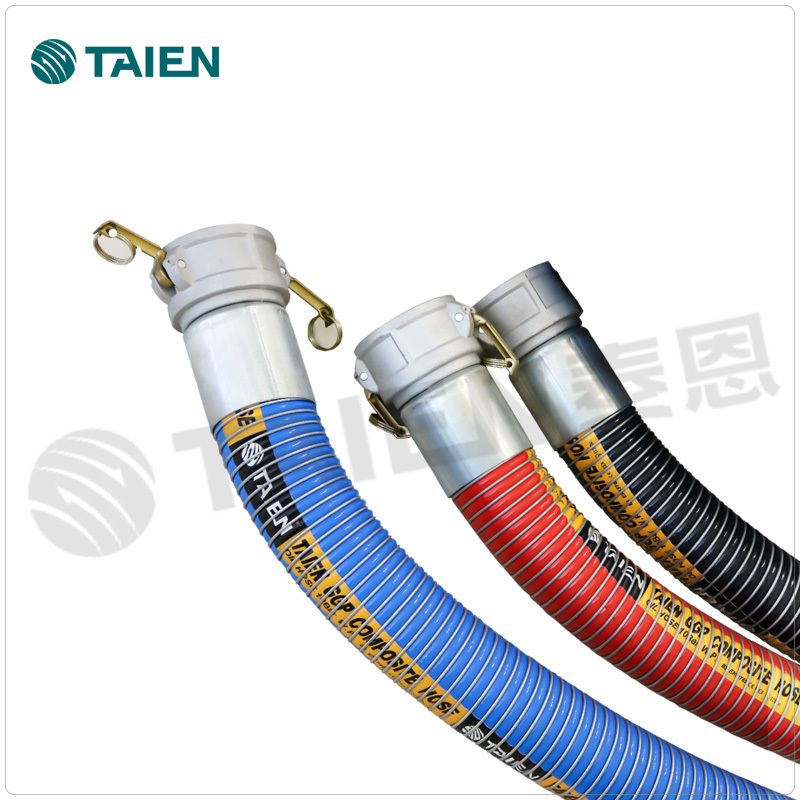
The Rise of Composite Hoses in Modern Packaging
The evolution of packaging materials has led to the introduction of composite hoses, which are designed to meet the demands of modern industries. These hoses are constructed from multiple layers of materials, which can include both rigid and flexible components, resulting in a product that delivers outstanding performance. The rise in popularity is attributed to several key factors:
1. Enhanced Durability and Flexibility
Composite hoses are engineered to withstand extreme conditions. Their multi-layer construction allows them to resist abrasion, chemicals, and temperature fluctuations. This flexibility not only prolongs the life of the hoses but also ensures safe transportation of various substances, making them ideal for metal packaging applications.
2. Lightweight Design for Improved Handling
One of the most notable advantages of composite hoses is their lightweight nature compared to traditional metal hoses. This feature facilitates easier handling, reduces worker fatigue, and enhances operational efficiency. The ease of movement allows for quicker setup and teardown processes in packaging operations.
Applications of Composite Hoses in the Metal Packaging Sector
The versatility of composite hoses opens the door to a myriad of applications in the metal packaging industry. Here are several areas where these hoses are making a significant impact:
1. Transportation of Hazardous Materials
Composite hoses excel in transporting hazardous materials due to their superior resistance to chemicals and high-pressure conditions. This capability is crucial for packaging industries that handle toxic substances, ensuring safety during transit.
2. Food and Beverage Packaging
With stringent hygiene standards in food and beverage packaging, composite hoses have emerged as a reliable choice. Their smooth inner lining helps prevent contamination, while their chemical resistance ensures that flavors and properties of the contents remain intact.
3. Oil and Gas Industries
The oil and gas sector benefit significantly from composite hoses, where they are utilized for transporting fuels and other chemicals. Their ability to withstand high pressures and temperatures makes them suitable for various applications, from refineries to offshore platforms.
Advantages of Composite Hoses Over Traditional Metal Hoses
When comparing composite hoses to traditional metal hoses, several advantages come to light, showcasing why they are becoming the preferred choice in metal packaging solutions.
1. Corrosion Resistance
Unlike traditional metal hoses, composite hoses are resistant to corrosion. This characteristic ensures a longer lifespan, reducing the need for frequent replacements and maintenance. As a result, businesses can enjoy lower operational costs and increased efficiency.
2. Versatility in Design
Composite hoses can be designed to meet specific requirements, including various diameters and lengths. This adaptability enables manufacturers to customize solutions tailored to their unique packaging needs, enhancing overall flexibility in operations.
3. Reduced Environmental Impact
The manufacturing process of composite hoses typically involves fewer resources compared to their metal counterparts. Furthermore, their lightweight nature contributes to lower energy consumption during transportation, leading to a more sustainable approach to packaging.
Key Factors Driving the Adoption of Composite Hoses
Several factors are propelling the adoption of composite hoses in metal packaging solutions:
1. Growing Regulatory Standards
With increasing regulatory scrutiny on material safety and environmental impact, businesses are compelled to seek safer and more sustainable solutions. Composite hoses align well with these standards due to their safety features and eco-friendly manufacturing processes.
2. Technological Advancements
Advancements in material science and manufacturing technologies have significantly improved the performance of composite hoses. Innovations such as advanced bonding techniques and new composite materials have expanded their usability and effectiveness in various applications.
3. Increased Demand for Efficiency
As industries aim to optimize processes and reduce costs, the demand for innovative solutions that enhance efficiency is growing. Composite hoses, with their lightweight and durable nature, contribute to streamlined operations and cost savings.
Challenges in Implementing Composite Hoses
While composite hoses offer numerous advantages, businesses may face challenges when integrating them into existing systems.
1. Initial Investment Costs
The initial costs of purchasing composite hoses can be higher than traditional metal options. However, the long-term savings, thanks to their durability and reduced maintenance needs, often outweigh this initial expense.
2. Training and Adaptation
Employees may require training to adapt to new equipment and processes involving composite hoses. This transition period can temporarily impact productivity, but the long-term benefits typically justify the investment in training.
Future Trends in Composite Hose Development
The future of composite hoses in metal packaging looks promising, with several emerging trends that are likely to shape their development.
1. Smart Hose Technology
Integrating smart technology into composite hoses could revolutionize their functionality. Smart hoses equipped with sensors can monitor pressure, temperature, and flow rates in real-time, enhancing safety and efficiency in packaging operations.
2. Sustainable Materials Innovation
As environmental concerns continue to rise, the focus on developing sustainable composite materials will likely increase. Manufacturers are exploring greener alternatives for hose construction, aiming to reduce the ecological footprint of their production processes.
3. Expansion into New Markets
The versatility of composite hoses means they can penetrate various industries beyond metal packaging. Emerging markets in pharmaceuticals, chemicals, and even construction could see increased adoption of composite hose technology.
FAQs About Composite Hoses in Metal Packaging
1. What are composite hoses made of?
Composite hoses are made of multiple layers of materials, including plastics and textiles, designed to provide a combination of flexibility, durability, and resistance to various chemicals.
2. How do composite hoses compare to rubber hoses?
Composite hoses generally offer better chemical resistance and are lighter than rubber hoses, making them more suitable for demanding applications in metal packaging.
3. Can composite hoses be used for food packaging?
Yes, composite hoses are suitable for food packaging since they can be designed to meet stringent hygiene standards and resist contamination.
4. Are composite hoses recyclable?
Many composite hoses can be recycled, depending on the materials used in their construction. It's essential to check with manufacturers for specific recycling guidelines.
5. How do I maintain composite hoses?
Maintaining composite hoses involves regular inspections for wear and tear, cleaning them as necessary, and ensuring they are not subjected to conditions beyond their rated specifications.
Conclusion
Composite hoses are indeed revolutionizing metal packaging solutions by offering enhanced durability, flexibility, and a wide range of applications. As industries continue to seek innovative ways to improve efficiency and reduce environmental impact, the adoption of composite hoses is expected to grow. By understanding the advantages, applications, and future trends associated with these hoses, businesses can make informed decisions that align with their operational goals and sustainability objectives. Embracing this technology not only enhances packaging processes but also contributes to a safer and more efficient working environment.
Recommended Reading







Guangdong Taien Fluid Control Equipment Co., Ltd. is a professional manufacturer and supplier of fluid transmission equipment, focusing on various types of gas stations, chemical plants, oil refineries for more than 20 years It is a state-level high-tech enterprise that provides high-quality complete sets of equipment and surrounding safety and environmental protection facilities.


Product Series
Contact us
+86-020-34008936
Unit 3314, No 1020 Xingangdong Road, Haizhu, Guangzhou China.

Mobile Website
