
Why Chemical Hoses Are Critical in Pneumatic Tools and Equipment
Release time:
2024-09-08
Author:
Source:
Abstract
Introduction to Pneumatic Tools and Chemical Hoses
Pneumatic tools have revolutionized various industries by providing efficient and powerful solutions for tasks ranging from construction to automotive repair. One of the essential components that ensure the smooth operation of these tools is the chemical hose. Understanding why chemical hoses are critical to pneumatic tools and equipment requires a thorough examination of their functions, applications, and characteristics.

The Role of Chemical Hoses in Pneumatic Systems
Chemical hoses serve a pivotal role in pneumatic systems by delivering compressed air or other fluids under pressure to various tools and equipment. The hoses must be durable, flexible, and resistant to a variety of chemicals, as they often come into contact with oils, solvents, and other potentially harmful substances.
Types of Chemical Hoses Used in Pneumatics
When it comes to pneumatic applications, several types of chemical hoses are commonly used:
1. PVC Hoses
Polyvinyl chloride (PVC) hoses are lightweight and flexible, making them ideal for low-pressure applications. They are resistant to a variety of chemicals, including acids and alkalis.
2. Rubber Hoses
Rubber hoses are versatile and durable, often used in high-pressure applications. They provide excellent resistance to abrasion, weather, and ozone, making them suitable for outdoor use.
3. EPDM Hoses
Ethylene Propylene Diene Monomer (EPDM) hoses are known for their exceptional resistance to heat, ozone, and weathering. They are ideal for applications involving steam and hot water.
4. Teflon Hoses
Teflon hoses offer unparalleled chemical resistance and are perfect for transferring highly corrosive substances. They maintain flexibility even at extreme temperatures, making them a go-to choice for many industries.
5. Composite Hoses
Composite hoses combine various materials, providing excellent flexibility and chemical compatibility. They are often used in applications requiring the transfer of multiple fluids.
Why Chemical Hoses Matter in Pneumatic Operations
Chemical hoses are not just accessories; they are crucial components that influence the efficiency, safety, and longevity of pneumatic tools and equipment. Here are several reasons why they matter:
1. Enhanced Safety and Environmental Protection
The primary function of chemical hoses is to safely transport hazardous or corrosive materials. A compromised hose can lead to leaks, which pose safety risks and environmental hazards. High-quality hoses help minimize these risks by providing secure and leak-proof connections.
2. Improved Efficiency in Operations
Chemical hoses that are specifically designed for pneumatic applications can significantly enhance operational efficiency. By ensuring consistent air pressure and fluid flow, these hoses help tools operate at optimal levels, reducing downtime and increasing productivity.
3. Cost-Effectiveness
Investing in quality chemical hoses can lead to long-term savings. Durable hoses reduce the frequency of replacements, and their ability to handle a wide range of chemicals minimizes the need for multiple hoses, simplifying maintenance and inventory management.
Key Features of Quality Chemical Hoses
When selecting chemical hoses for pneumatic tools, it’s essential to consider their features to ensure compatibility and performance. Here are some key attributes to look for:
1. Chemical Resistance
The hose material should be compatible with the specific chemicals it will encounter. Always refer to the manufacturer’s guidelines to ensure the selected hose can handle the intended applications.
2. Flexibility and Bend Radius
Hoses must be flexible enough to navigate tight spaces while maintaining their performance. A smaller bend radius allows for more versatile applications without compromising the integrity of the hose.
3. Temperature Tolerance
Different applications require hoses that can withstand varying temperatures. Ensure the chosen hoses can handle both high and low extremes, and are rated for the temperatures they will encounter.
4. Pressure Ratings
Pneumatic systems operate under different pressure conditions. Choose hoses that can handle the maximum pressure of your specific application to prevent failures.
5. Durability and Wear Resistance
Chemical hoses should be constructed to resist wear and tear from daily use and environmental factors. Look for hoses that offer abrasion resistance, UV protection, and are less likely to crack or degrade over time.
Installation and Maintenance of Chemical Hoses
Proper installation and maintenance are vital for ensuring the longevity and performance of chemical hoses. Here are best practices to keep in mind:
1. Proper Installation Techniques
Correctly installing chemical hoses involves avoiding bends or kinks that could restrict flow. Use compatible fittings and ensure all connections are secure to prevent leaks.
2. Regular Inspections
Consistent inspections help identify signs of wear, such as cracking, fraying, or discoloration. Detecting issues early can prevent failures that could lead to costly downtime or safety hazards.
3. Cleaning and Storage
Cleaning hoses after use is essential to remove any chemical residues that could cause deterioration. Additionally, store hoses in a cool, dry place away from direct sunlight to prolong their lifespan.
4. Replacement Guidelines
Establish a replacement schedule based on the usage and wear of hoses. Following the manufacturer’s recommendations can help ensure that hoses are replaced before they become hazardous.
Applications of Chemical Hoses in Various Industries
Chemical hoses find applications in a wide array of industries. Here are some notable sectors where they play a critical role:
1. Manufacturing
In manufacturing plants, chemical hoses transport various fluids essential for production processes, including lubricants, solvents, and cleaning agents. Their reliability directly affects production efficiency.
2. Automotive
Automotive repair shops frequently utilize chemical hoses for fueling, oil changes, and transferring refrigerants. Hoses must withstand chemicals commonly found in vehicle maintenance.
3. Agriculture
In agriculture, chemical hoses are used for spraying pesticides, fertilizers, and other chemicals. Hoses must be durable enough to handle harsh conditions while ensuring safe transportation of chemicals.
4. Food and Beverage
Food processing facilities require chemical hoses that meet stringent sanitary standards. These hoses must transport cleaning agents and other chemicals safely without contaminating food products.
5. Pharmaceuticals
The pharmaceutical industry relies on chemical hoses for transferring active ingredients and solvents. These hoses must comply with regulatory standards to ensure product safety and efficacy.
Conclusion
The significance of chemical hoses in pneumatic tools and equipment cannot be overstated. They not only ensure operational efficiency but also contribute to safety and environmental protection. By understanding the various types of hoses available, their specific features, and best practices for installation and maintenance, professionals across industries can make informed decisions that enhance the performance of their pneumatic systems. Investing time and resources into selecting the right chemical hoses can lead to safer, more reliable, and cost-effective operations, ultimately benefiting both businesses and their workers.
Frequently Asked Questions (FAQs)
1. What materials are commonly used in chemical hoses?
Common materials for chemical hoses include PVC, rubber, EPDM, Teflon, and composite materials, each offering specific benefits depending on the application.
2. How do I determine the right hose for my pneumatic tools?
Consider factors such as chemical compatibility, pressure ratings, temperature tolerance, and flexibility when selecting a chemical hose for your pneumatic tools.
3. How often should chemical hoses be inspected?
Regular inspections should be conducted at least monthly, or more frequently if hoses are used in harsh environments or for critical applications.
4. Can I repair a damaged chemical hose?
Minor damage might be repaired, but it’s often safer and more cost-effective to replace the hose, especially if it poses a risk of leaks or failures.
5. What are the consequences of using the wrong chemical hose?
Using the wrong chemical hose can lead to leaks, equipment failure, safety hazards, and costly downtime. Always ensure compatibility with the substances being transported.
Recommended Reading

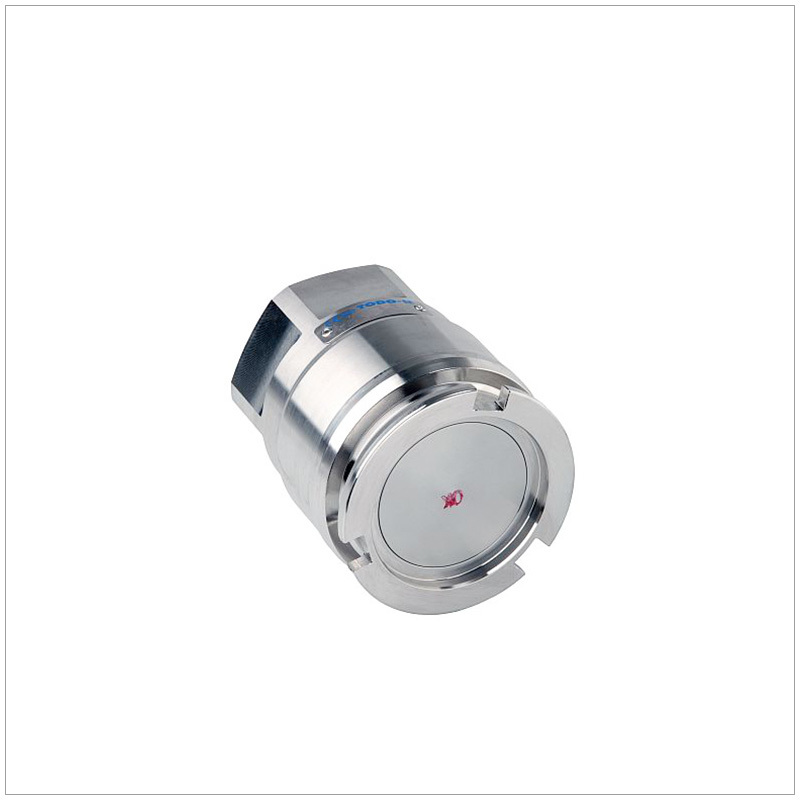
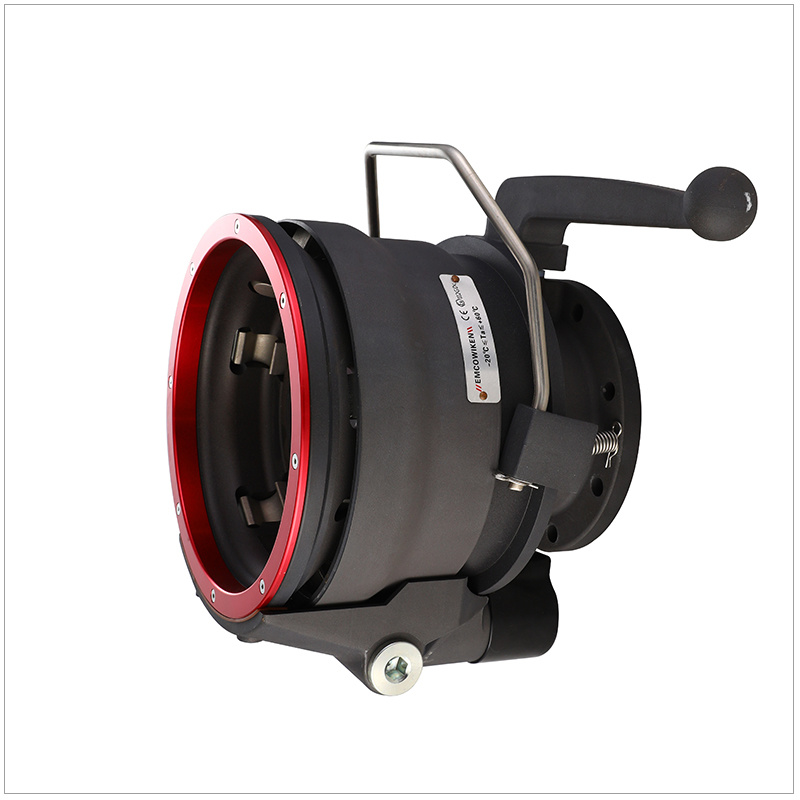

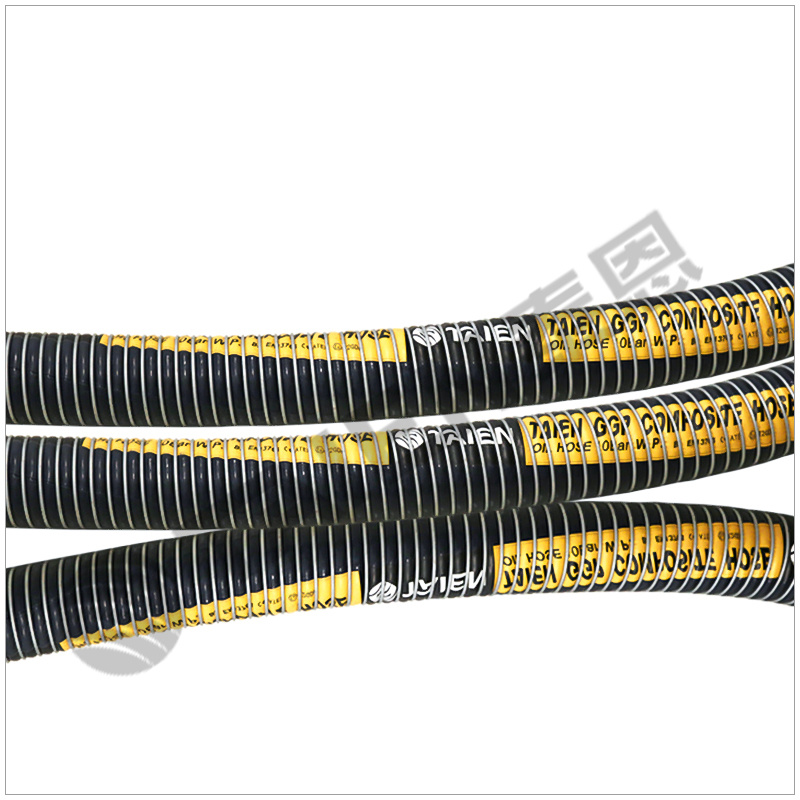
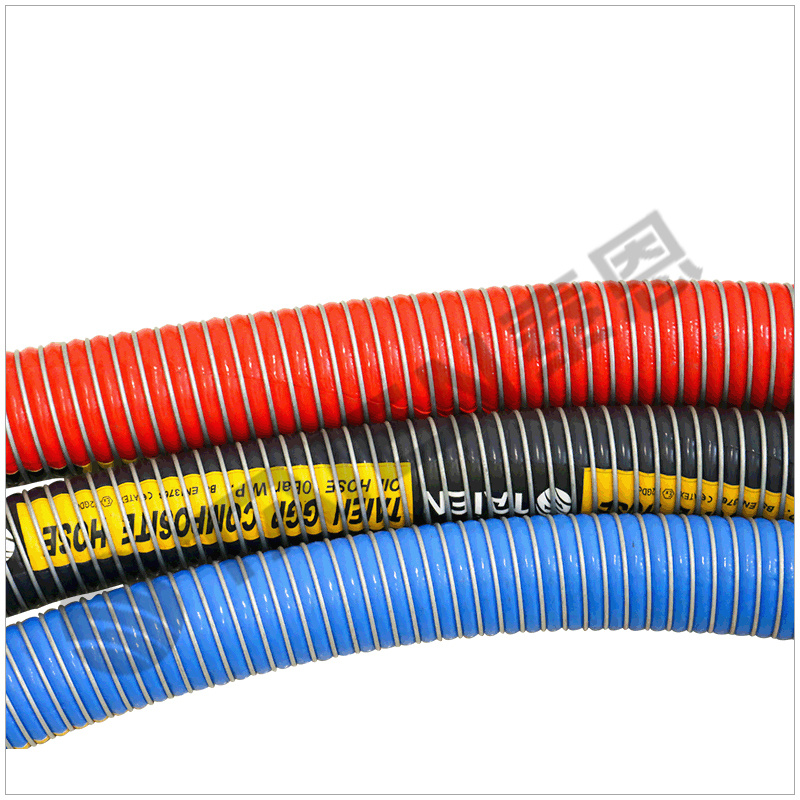

Guangdong Taien Fluid Control Equipment Co., Ltd. is a professional manufacturer and supplier of fluid transmission equipment, focusing on various types of gas stations, chemical plants, oil refineries for more than 20 years It is a state-level high-tech enterprise that provides high-quality complete sets of equipment and surrounding safety and environmental protection facilities.


Product Series
Contact us
+86-020-34008936
Unit 3314, No 1020 Xingangdong Road, Haizhu, Guangzhou China.

Mobile Website
