
Why Choosing the Right LPG Hose Matters for Your Projects
Release time:
2024-09-12
Author:
Source:
Abstract
Choosing the appropriate LPG (Liquefied Petroleum Gas) hose for your projects is more than just a technical decision; it significantly impacts safety, efficiency, and overall performance. LPG is a widely used fuel source in various applications, including cooking, heating, and industrial processes. Therefore, understanding the nuances of LPG hoses is critical for anyone working with this versatile gas.
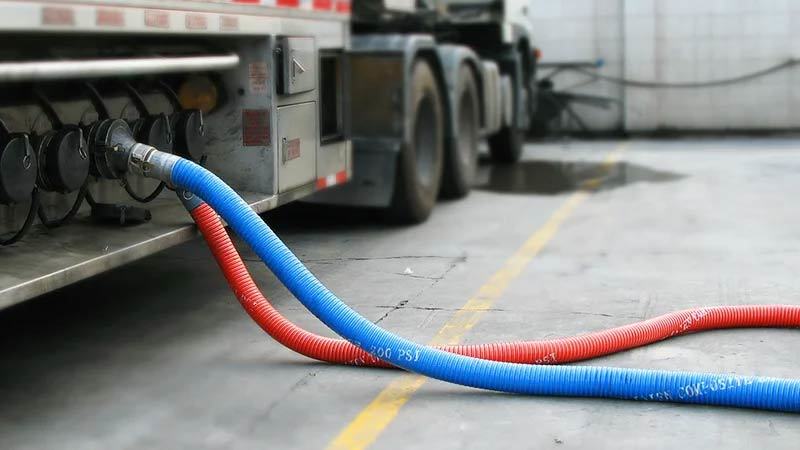
Understanding LPG Hoses: An Overview
LPG hoses are specially designed to transport liquefied petroleum gas from one location to another, whether it's from a storage tank to an appliance or throughout an industrial site. These hoses come in various sizes, materials, and specifications, each tailored to specific applications. Selecting the right hose ensures that your LPG system operates safely and efficiently.
Types of LPG Hoses and Their Applications
LPG hoses can be categorized based on their construction, materials, and usage. Understanding these categories will help you make the right choice for your project.
1. Rubber LPG Hoses
Rubber hoses are one of the most common types used for LPG applications. They offer flexibility and good resistance to abrasion, making them ideal for various outdoor settings. However, they may degrade over time when exposed to UV rays, requiring careful consideration.
2. PVC LPG Hoses
PVC hoses are lightweight and easy to handle, making them suitable for residential applications. They are less expensive but may not withstand harsh environmental conditions as effectively as rubber hoses.
3. Composite LPG Hoses
Composite hoses are made from multiple layers of materials, offering excellent resistance to chemicals and extreme temperatures. These hoses are often used in industrial applications where durability and safety are paramount.
Key Factors to Consider When Choosing an LPG Hose
To select the right LPG hose for your project, several key factors must be taken into account:
1. Pressure Rating
The pressure rating of an LPG hose determines how much pressure it can safely handle. Ensure that the selected hose matches or exceeds the pressure requirements of your application. Using a hose with an inadequate pressure rating can lead to leaks or bursts, posing significant safety hazards.
2. Temperature Tolerance
LPG hoses are exposed to varying temperatures depending on their application environment. Choose hoses that can withstand the temperature ranges specific to your project to ensure longevity and prevent failures.
3. Material Compatibility
The material of the hose should be compatible with LPG and any other substances it may come into contact with. Certain materials may degrade when exposed to specific chemicals or environmental conditions, leading to potential risks.
4. Length and Diameter
The length and diameter of the hose affect the flow rate and pressure of the LPG. Ensure that you calculate the required length and select the appropriate diameter to maintain efficiency in your project.
The Importance of Safety Standards in LPG Hose Selection
When working with LPG, safety should always be a top priority. Therefore, it is essential to select hoses that comply with industry safety standards. Various organizations, such as the American Society for Testing and Materials (ASTM) and the National Fire Protection Association (NFPA), provide guidelines and certifications for LPG hoses. Ensuring compliance with these standards can significantly reduce the risk of accidents and ensure the safe operation of your LPG system.
Common Safety Standards for LPG Hoses
- ASTM D380: This standard covers the specifications for rubber and thermoplastic hoses for use in the transfer of liquefied petroleum gases.
- NFPA 58: This code relates to the safe storage and handling of LPG, including guidelines for hose selection and usage.
Installation Tips for LPG Hoses
After selecting the right LPG hose, the installation process is equally crucial for safety and efficiency. Here are some tips to ensure proper installation:
1. Inspect Before Installation
Always inspect the hose for any signs of damage or wear before installation. Check for cracks, abrasions, or other defects that could compromise safety.
2. Use the Correct Fittings
Ensure that the fittings used are compatible with the hose material and size. Using mismatched fittings can lead to leaks or other issues during operation.
3. Secure Connections
Make sure all connections are secured tightly to prevent leaks. Use appropriate thread sealants and follow manufacturer recommendations.
4. Maintain Proper Routing
Avoid sharp bends or kinks in the hose during installation. Proper routing reduces stress on the hose and helps prevent premature wear.
Maintenance of LPG Hoses
Regular maintenance is essential to prolong the lifespan of your LPG hose and ensure the safe operation of your system. Here are some maintenance practices to consider:
1. Regular Inspections
Conduct regular inspections to identify any signs of wear, damage, or leaks. Early detection can prevent larger issues down the line.
2. Cleaning
Keep the hoses clean and free from dirt or debris that may cause damage or interfere with their operation.
3. Proper Storage
Store hoses in a cool, dry place away from direct sunlight and extreme temperatures to prevent degradation.
4. Replace When Necessary
If any defects are found during inspections, replace the hose immediately. Never compromise safety for cost.
Common Misconceptions about LPG Hoses
Despite their importance, several misconceptions about LPG hoses can lead to poor decision-making. Here are some of the most common myths:
1. All Hoses Are the Same
Contrary to popular belief, not all hoses are suitable for LPG applications. Each type of hose has its specifications and intended uses, making it essential to choose wisely.
2. Higher Price Equals Better Quality
While price can be an indicator of quality, it is not the sole determinant. Always assess the specifications and compliance with safety standards rather than relying on price alone.
3. Hoses Last Indefinitely
Hoses do not last forever. Regular inspections and replacements are necessary to ensure safety and performance.
Conclusion
Choosing the right LPG hose is a critical decision that can significantly impact the safety, efficiency, and success of your projects. By understanding the different types of hoses, key factors influencing your choice, and adhering to safety standards, you can ensure that your LPG systems operate seamlessly. Regular maintenance and proper installation further contribute to the longevity and reliability of your LPG hoses. By making informed decisions, you can focus on what matters most—delivering quality and safety in every project.
Frequently Asked Questions (FAQs)
1. What is the lifespan of an LPG hose?
The lifespan of an LPG hose varies based on its material and usage. Regular inspections and maintenance can help prolong its life, but hoses should be replaced if they show signs of wear or damage.
2. Can I use a regular rubber hose for LPG applications?
No, not all rubber hoses are suitable for LPG. It is essential to use hoses specifically designed for LPG to ensure safety and compliance with standards.
3. How do I know if my LPG hose is leaking?
Signs of leakage include a hissing sound, the smell of gas, or visible deterioration of the hose. Regular inspections can help identify leaks early.
4. What should I do if my LPG hose gets damaged?
If your LPG hose is damaged, stop using it immediately and replace it with a compliant hose designed for LPG applications.
5. Are there specific storage requirements for LPG hoses?
Yes, LPG hoses should be stored in a cool, dry place away from direct sunlight and extreme temperatures to prevent degradation.
Recommended Reading







Guangdong Taien Fluid Control Equipment Co., Ltd. is a professional manufacturer and supplier of fluid transmission equipment, focusing on various types of gas stations, chemical plants, oil refineries for more than 20 years It is a state-level high-tech enterprise that provides high-quality complete sets of equipment and surrounding safety and environmental protection facilities.


Product Series
Contact us
+86-020-34008936
Unit 3314, No 1020 Xingangdong Road, Haizhu, Guangzhou China.

Mobile Website
