
Choosing the Right API Special Gas Recovery Connector: A Comprehensive Guide
Release time:
2024-10-29
Author:
Source:
Abstract
1. Introduction to API Special Gas Recovery Connectors
In today's industrial landscape, the need for **efficient gas recovery systems** has never been greater. API special gas recovery connectors play a pivotal role in ensuring that gases are safely and effectively transported and recovered from various systems. Understanding these connectors, their functionalities, and their application is essential for any professional involved in gas handling applications.
This article serves as a comprehensive guide to help you choose the right API special gas recovery connector tailored to your unique operational needs. We will discuss different types of connectors, their applications, key selection criteria, and much more to ensure you make an informed decision.
2. Types of API Special Gas Recovery Connectors
API special gas recovery connectors come in various types, each designed for specific uses and conditions. Here are some of the most common types:
2.1 Male and Female Connectors
These connectors feature threaded ends that allow them to join with corresponding connectors, providing a secure and leak-proof connection. They are commonly used in high-pressure applications.
2.2 Quick-Connect Systems
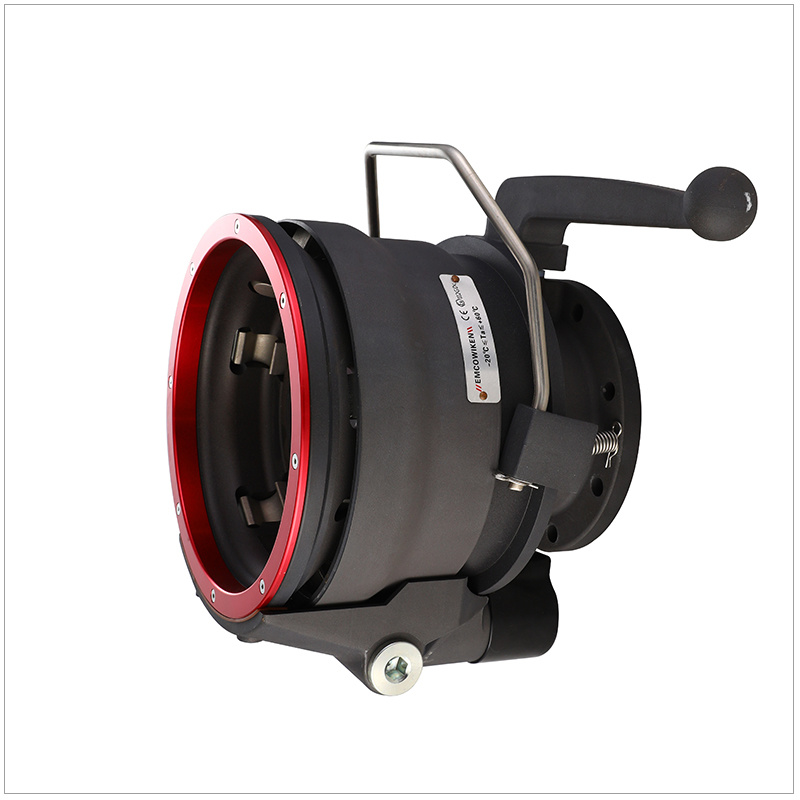
Quick-connect connectors enable fast attachment and detachment without tools. They are ideal for applications that require frequent disconnecting and reconnecting of gas lines.
2.3 Flanged Connectors
Flanged connectors feature a flat surface that allows for secure bolted connections. They are particularly useful in environments where flexibility and maintenance are critical.
2.4 Specialty Connectors
Some connectors are designed for specific gases or environmental conditions, such as corrosive gases or extreme temperatures. These specialty connectors ensure optimal performance in unique applications.
3. Applications of API Special Gas Recovery Connectors
API special gas recovery connectors find utility across various industries including:
3.1 Oil and Gas Industry
In oil and gas operations, connectors are essential for the recovery of gases during drilling and production processes, helping to minimize emissions and maximize recovery.
3.2 Chemical Manufacturing
In chemical plants, connectors facilitate the safe transfer of gases involved in chemical reactions, ensuring compliance with safety protocols and environmental regulations.
3.3 Waste Management
Connectors are integral in the recovery of gases from landfill operations, contributing to sustainable waste management practices and harnessing methane as an energy source.
3.4 Food and Beverage Sector
In the food and beverage industry, connectors are used in processes that require the transport of gases such as carbon dioxide, ensuring product quality and safety.
4. Key Criteria for Selecting the Right Connector
When choosing the right API special gas recovery connector, several criteria should be evaluated:
4.1 Pressure and Temperature Ratings
The connector must be rated for the specific pressure and temperature conditions of your application to ensure safety and reliability.
4.2 Compatibility with Gases
Ensure that the materials used in the connector are compatible with the gases being transported to prevent chemical reactions that could lead to failures.
4.3 Connection Type
Depending on your system's design, choose between male, female, quick-connect, or flanged connectors to achieve the best performance.
4.4 Maintenance Requirements
Some connectors require regular maintenance. Evaluate your team's capacity for upkeep when selecting a connector.
4.5 Regulatory Compliance
Ensure that the chosen connector meets industry-specific regulatory standards to avoid legal and safety issues.
5. Material Considerations in Connector Selection
The material of the connector plays a crucial role in its performance and longevity. Here are some commonly used materials:
5.1 Stainless Steel
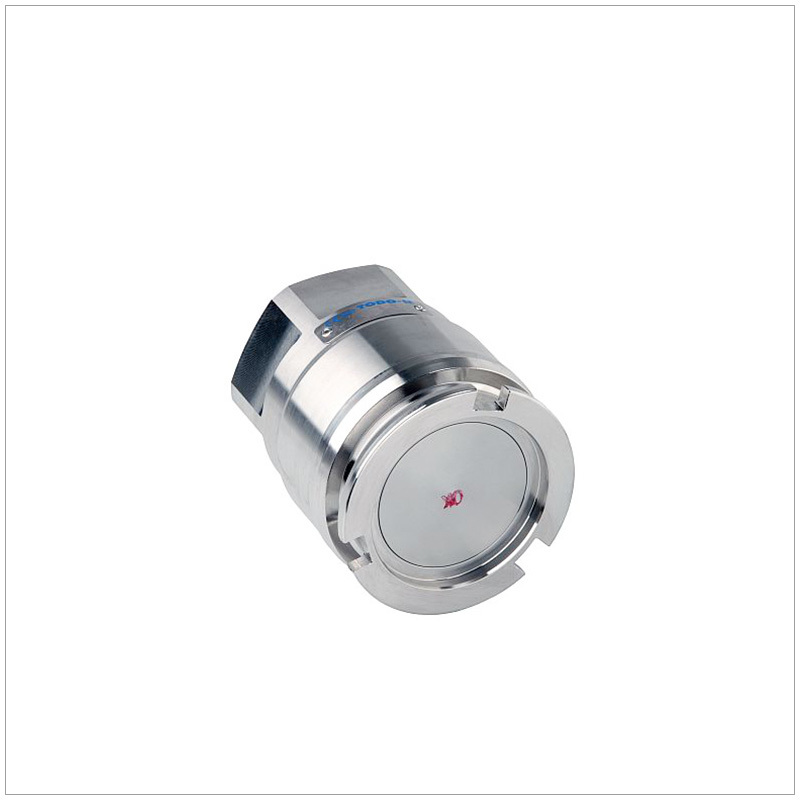
Stainless steel connectors are known for their durability and resistance to corrosion, making them ideal for harsh environments.
5.2 Brass
Brass is often used in low-pressure applications. It offers good corrosion resistance and is cost-effective.
5.4 Plastic and Composite Materials
These materials are lightweight and resistant to many chemicals, making them suitable for certain applications but may not withstand high pressures.
6. Understanding Safety Standards and Compliance
It is essential to comply with safety standards when selecting connectors. Organizations like the American Society of Mechanical Engineers (ASME) and the American National Standards Institute (ANSI) provide guidelines that help ensure the safe use of gas connectors.
6.1 Importance of Compliance
Failure to comply with safety standards can lead to accidents, legal repercussions, and damage to your reputation.
6.2 Certification and Testing
Before purchasing connectors, ensure they are certified and have undergone rigorous testing to meet industry standards.
7. Installation and Maintenance Tips
Proper installation and maintenance of gas recovery connectors are vital for optimal performance:
7.1 Installation Guidelines
Follow manufacturer recommendations for installation to ensure a secure connection. Use appropriate tools and techniques to avoid damage.
7.2 Regular Inspections
Conduct regular inspections to identify any signs of wear, corrosion, or leaks, and address issues promptly.
7.3 Sealing and Tightening
Ensure that all connections are adequately sealed and tightened to prevent leaks and potential hazards.
8. Common Issues and Troubleshooting
Despite proper selection and maintenance, issues may arise with API special gas recovery connectors. Here are common problems and their solutions:
8.1 Leakage
If you notice gas leakage, check for improper sealing or loose connections and rectify them immediately.
8.2 Corrosion
Inspect connectors regularly for signs of corrosion. If found, replace affected components and consider using more resistant materials.
8.3 Compatibility Problems
Always verify that connectors are suitable for the specific gases being used to avoid compatibility issues.
9. Conclusion
Selecting the right API special gas recovery connector is a critical decision that can significantly impact the efficiency and safety of your gas handling systems. By understanding the various types of connectors, their applications, and the key selection criteria, you can ensure that you choose the best product for your needs. Continuous attention to maintenance and compliance with safety standards will further enhance the reliability of your gas recovery systems, reducing operational risks and improving performance.
10. Frequently Asked Questions
10.1 What is an API special gas recovery connector?
An API special gas recovery connector is a specific type of connector designed to transport and recover gases in various industrial applications, ensuring safety and efficiency.
10.2 How do I choose the right connector for my application?
Consider factors like pressure ratings, compatibility with gases, connection types, material, and regulatory compliance when selecting your connector.
10.3 Are there specific maintenance requirements for gas recovery connectors?
Yes, regular inspections, proper sealing, and timely replacements are essential for maintaining the performance of gas recovery connectors.
10.4 What materials are used in manufacturing gas recovery connectors?
Common materials include stainless steel, brass, and various plastics or composites, each offering different benefits based on application needs.
10.5 How can I ensure compliance with safety standards?
Always purchase connectors that have been certified and tested according to industry safety standards, and keep up with regulatory changes.
Recommended Reading



Guangdong Taien Fluid Control Equipment Co., Ltd. is a professional manufacturer and supplier of fluid transmission equipment, focusing on various types of gas stations, chemical plants, oil refineries for more than 20 years It is a state-level high-tech enterprise that provides high-quality complete sets of equipment and surrounding safety and environmental protection facilities.


Product Series
Contact us
+86-020-34008936
Unit 3314, No 1020 Xingangdong Road, Haizhu, Guangzhou China.

Mobile Website
