
Common Misconceptions About Rubber Hoses in Pneumatic Applications
Release time:
2024-11-02
Author:
Source:
Abstract
In the realm of pneumatic systems, rubber hoses play an essential role in ensuring efficient operations. However, there exists a plethora of misconceptions surrounding their usage, composition, and performance. This article aims to clarify these misunderstandings, providing you with a clearer understanding of rubber hoses in pneumatic applications.
Misconception 1: All Rubber Hoses Are the Same
A common belief is that all rubber hoses are interchangeable. This misconception can lead to severe deficiencies in pneumatic systems. In reality, rubber hoses vary significantly in terms of their materials, design, and intended applications. For instance, hoses designed for air transfer may not be suitable for transferring fluids or chemicals. Understanding the specific requirements of your application is critical for selecting the right hose.
Types of Rubber Hoses
Rubber hoses can be classified based on various factors, such as:
- Material Composition: Different rubber compounds yield different properties. For instance, nitrile rubber is often preferable for oil resistance, while EPDM is better suited for weather resistance.
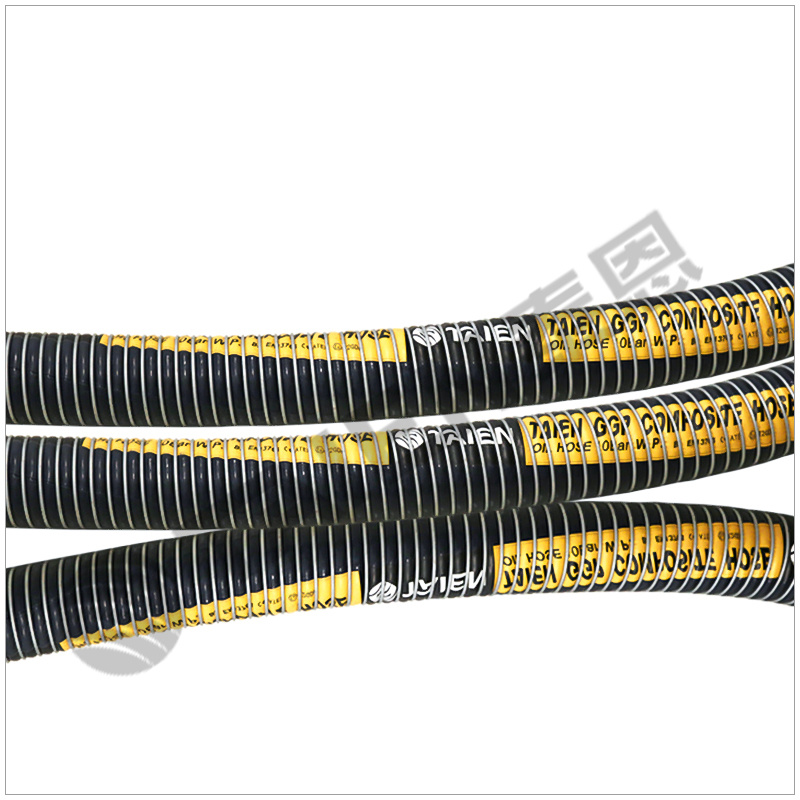
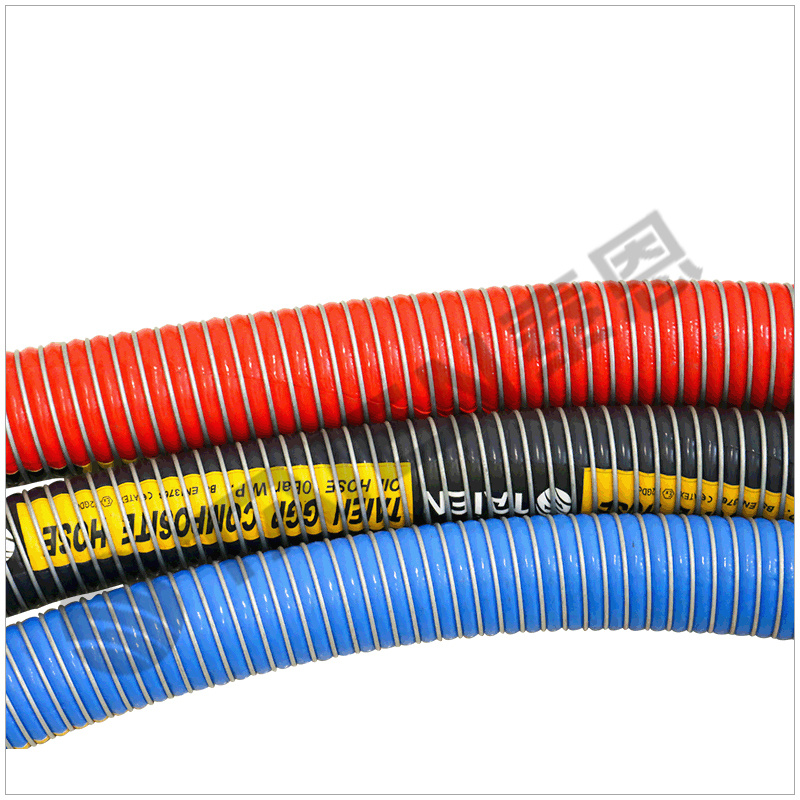
- Construction: Hoses can be single-layer or multi-layered, with reinforcement that affects flexibility and pressure ratings.
- Intended Use: Some hoses are designed specifically for pneumatic applications, while others might be intended for hydraulic or other uses.
Misconception 2: Rubber Hoses Can't Handle High Pressure
Many believe that rubber hoses are incapable of withstanding high pressure. While it's true that not all rubber hoses are suitable for high-pressure applications, there are specialized hoses designed to handle significant pressure. The construction of these hoses includes reinforced layers that enhance their strength and durability.
Pressure Ratings Explained
Rubber hoses are rated based on their pressure capabilities, typically expressed in pounds per square inch (PSI). When selecting a hose, always consult the manufacturer’s specifications to ensure it meets your pressure requirements. Remember, using a hose with an inadequate pressure rating can lead to catastrophic failures.
Misconception 3: Rubber Hoses Are Not Durable
There is a prevailing notion that rubber hoses are inherently less durable than their metal counterparts. However, this is a misleading generalization. While it's true that hoses can wear down over time, high-quality rubber hoses manufactured with advanced materials can offer exceptional durability.
Factors Affecting Durability
The durability of a rubber hose depends on various factors, including:
- Material Quality: Higher-quality compounds offer better resistance to abrasion and degradation.
- Environmental Factors: Exposure to UV rays, ozone, and extreme temperatures can impact hose lifespan.
- Maintenance Practices: Regular inspection and proper storage techniques can significantly extend the life of rubber hoses.
Misconception 4: Rubber Hoses Have Limited Temperature Resistance
Another misconception is that rubber hoses cannot withstand extreme temperatures. While it's true that standard rubber hoses have limitations, specialized hoses are available that can handle higher temperatures without compromising performance.
Temperature Ratings
Temperature ratings for rubber hoses vary widely, depending on their material composition. For instance, silicone rubber hoses can operate effectively in a wider temperature range compared to traditional rubber hoses. Always check the temperature ratings provided by the manufacturer when selecting a hose for high-temperature applications.
Misconception 5: Using the Wrong Hose Isn't a Big Deal
Some users may believe that it doesn’t matter which hose they use in their pneumatic systems. This misconception can lead to inefficiency, safety hazards, and costly repairs. Using the correct hose type is vital for system performance and longevity.
Consequences of Using Incorrect Hoses
Using the wrong hose can result in:
- Pressure Loss: Inadequate hoses can lead to significant pressure drops, affecting overall system efficiency.
- Leaks and Failures: Incorrect hose selection can lead to leaks or even catastrophic failures, endangering personnel and equipment.
- Increased Maintenance Costs: Frequent replacements and repairs can drive up maintenance expenses due to subpar performance.
The Importance of Quality Hoses in Pneumatic Systems
Quality hoses are essential for the smooth operation of pneumatic systems. They not only contribute to efficiency but also ensure safety and reliability. Investing in high-quality rubber hoses is crucial for reducing downtime and maintenance costs.
Benefits of Quality Rubber Hoses
Investing in quality rubber hoses offers numerous advantages:
- Improved Performance: Quality hoses maintain pressure and flow rates more effectively.
- Enhanced Safety: Reliable hoses reduce the risk of leaks and explosions, protecting both personnel and equipment.
- Longer Lifespan: Quality materials and construction lead to longer-lasting hoses, reducing the frequency of replacements.
Best Practices for Rubber Hose Maintenance
To maximize the lifespan of rubber hoses in pneumatic applications, following maintenance best practices is essential. Regular checks and proper handling can significantly enhance performance and safety.
Maintenance Tips
- Regular Inspections: Check hoses for signs of wear, cracks, or leaks regularly.
- Proper Storage: Store hoses in a cool, dry place away from direct sunlight and extreme temperatures.
- Correct Handling: Avoid kinking or twisting hoses during use, which can lead to damage.
- Follow Manufacturer Guidelines: Always adhere to manufacturer specifications regarding usage and maintenance.
Conclusion
Understanding the common misconceptions about rubber hoses in pneumatic applications is vital for maintaining efficient and safe operations. By debunking these myths, we can appreciate the importance of selecting high-quality hoses tailored to specific applications. Remember, investing in the right rubber hose and adhering to best maintenance practices can lead to significant long-term benefits, including improved performance, enhanced safety, and reduced costs.
Recommended Reading



Guangdong Taien Fluid Control Equipment Co., Ltd. is a professional manufacturer and supplier of fluid transmission equipment, focusing on various types of gas stations, chemical plants, oil refineries for more than 20 years It is a state-level high-tech enterprise that provides high-quality complete sets of equipment and surrounding safety and environmental protection facilities.


Product Series
Contact us
+86-020-34008936
Unit 3314, No 1020 Xingangdong Road, Haizhu, Guangzhou China.

Mobile Website
